


kushiro
-
Posts
1,914 -
Joined
-
Last visited
-
Days Won
15
Everything posted by kushiro
-

City of Leicester & Leicestershire - The Good and Historical Stuff
kushiro replied to davieG's topic in General Chat
Nice one @davieG @Free Falling Foxes Lots of history around there - very close to the site of our old ground, before those terraced streets swept it away. Here's a before and after. The eastern end of Marjorie Street is circled in red: We played our first ever cup tie at that ground in October 1887, 4-2 v St. Saviour's in the Leicestershire Challenge Cup. The match was ordered to be replayed because of bad light. Didn't do St. Saviour's much good though - they lost the restaged game 5-0. -
Close. Yeah Billy lifted it in 49 when they beat us. The shot they show here is Bill Slater when they won it in 1960. There is a kind of connection there as they beat us in the quarter-final - one of those great Leicester cup runs that has long been forgotten because of what happened in 1961 and 1963. This was a photo our old mate Bernie took at that quarter-final: Leicester 1 Wolves 2. And that looks like the same Bill Slater to the keeper's right.
-
Test Thread - Post whatever you like as practice
kushiro replied to WigstonWanderer's topic in Forum Support
Tuesday November 14th. Theme: LEICESTER CITY 1) Filbert Street Mar 27th 1964 - the evening before Leicester v Liverpool. Scousers break in and paint graffiti on the Main Stand walls, while at their hotel in Leicester, Bob Paisley is trying desperately to get Gordon Milne fit for the game (after his injury at White Hart Lane). Result: Leicester 0 Liverpool 2 - celebrating the second goal: 2) Jimmy Harrison of Leicester City and Doreen Shipman (Len's daughter). He was barracked by Leicester fans after they got married - they thought he was getting preferential treatment. Don Revie decided to quit Leicester to avoid the same fate after he married Johnny Duncan's niece. Topic: Gordon's relationship with Len and Terry Shipman. 3) February 1974 - Boom time in the Midlands ahead of the FA Cup Fifth Round: Gordon Milne, Jimmy Bloomfield, Vic Crowe, Don Howe: 4) 1982/83 - sticking to what you believe in, trusting your judgement. Gerry Daly, Robert Jones. 5) Quote from 'Shankly, My Dad and Me': The dreaded ‘R’ word popped into my head on several occasions (talking about Leicester in early 82/3). 5) Japanese students sing 'When You're Smiling': 7) Other potential topics - Leicester fgures such as Bill Anderson, Alan Bennett, Laurie Cunningham, Muzzy Izzet (Turkish connection). -
And here's one more - If I'd captured a bit more of the shot of Arsenal's celebrations in 1971 you'd have seen not just Frank McLintock, but also, on the left, the two teammates that he brought to Filbert Street when he became manager in 1977 - George Armstrong and Eddie Kelly.
-
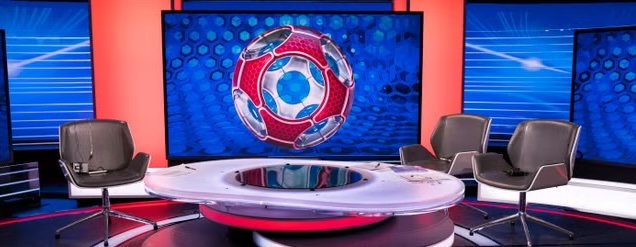 It's a pretty impressive sequence - packing all that action into 40 seconds. It's Match Of The Day's new opening titles for their FA Cup highlights programme. Quite a few Leicester references in there too - some obvious, others less so, and a couple that are frankly tenuous. But this is just a bit of fun so let's go: 1) Let's start with someone whose face should really should be on a 'Wanted' poster - for crimes against the world's oldest football competition. When Man U won the treble in 1999 they qualified to play in FIFA's ludicrous 'Club World Championship'. Their trip to Brazil coincided with the third round of the FA Cup - and they decided to withdraw from the competition they were supposed to be defending - without a hint of protest from the authorities. In fact, the FA and Tony Blair's government (who were desperate to please FIFA with their 2006 World Cup bid underway) both backed United's move. We know that the FA Cup no longer has the status it had in the past - and there are many reasons why - but if you want to identity one key moment, it's right there. But anyway, here he is, with a big Leicester City reference behind his right ear among that list of United cup winning years: 2) March 2001 Next another hate figure - Peter Taylor. It was all going so well in his first season in charge at Filbert Street. We beat Liverpool in early March and were third in the Premier League table. The following week we had a seemingly easy FA Quarter Final tie - at home to Wycombe Wanderers. Champions League football, our first FA cup triumph, and years of glory beckoned. Incredible how quickly things can go pear-shaped. This is Roy Essandoh, whose late header gave Wycombe a 2-1 win. We then lost eight in a row in the League, went down the following year and after a financial implosion only narrowly escaped going into complete oblivion. 3) May 2021 From hate figures to - well, we used to love him didn't we? Many years from now we'll have forgotten how it all went wrong, and we'll look back with only fond memories of this fellow and his manager: Maybe. 4) May 1981 And Ricky Villa - has done it! But what has he got to do with Leicester City? Well, a year after his famous goal won the Cup for Spurs, they were drawn against us in the semi-final at Villa Park. The day before the game, Argentina invaded the Falklands, and manager Keith Burkinshaw had to decide whether to play Villa and fellow Argentine Osvaldo Ardiles. In the end Ricky was left out and Ossie played - booed throughout by the Leicester fans. Spurs won that day of course. Come the final against QPR, Ardiles was missing. He'd diplomatically been allowed to join up with the Argentina World Cup squad earlier than he needed to. Ricky Villa wasn't in that squad and could have replaced him in the line-up at Wembley, but with British troops having just landed at San Carlos, Burkinshaw decided to avoid any fuss and left him out. 5) May 1972 Oh no - another hate figure. Allan Clarke was the least popular man in the Leicester City dressing room in the late 60s. After we broke the British transfer record to sign him in 1968 he saw himself as slightly above ordinary mortals like Alan Woollett, Rodney Fern and Andy Lochhead. He played in the 1969 Cup Final as we lost to Manchester City, but we were also relegated that season and he quickly moved on to Leeds, for whom he scored the winner against Arsenal in 1972 with a classic diving header: 6) March 1999 The goal David Ginola scored at Barnsley in Round Five was almost a tribute to Ricky Villa's 1981 dribble. Here he is midway through that slalom run through the Barnsley defence: And the connection? Well, Spurs' next match was five days later - the League Cup Final against Martin O'Neill's Leicester City. Ginola was the big talking point in the build up to the game, but he hardly had a kick. O'Neill asked Rob Ullathorne to stay close to him - and it was similar to the job that Pontus Kaamark did on Juninho two years earlier. No happy ending this time though. 7) April 1923 The first Wembley final. An estimated 200,000 were inside, all semblance of order having broken down as people smashed through the fences to get in. How did our first attempt to get to Wembley end up? You might recall a thread on here a whlle back about the amazing aerial shot of Filbert Street taken during our third round win over Fulham. Well in the next round, we lost at home to Cardiff - legendary centre forward Len Davies with the winner. People were desperate to see this game too - and the pressure on the terraces was so great that thousands jumped over the barriers to take refuge on the pitch. The scene, as portrayed in the Leicester Mail, was a foretaste of Wembley two months later: 8) May 1976 Before Youri's goal in 2021, which FA Cup Final had Leicester City fans enjoyed the most? Not the four Wembley defeats, obviously. It was probably 1976, when Second Division Southampton beat Man U 1-0. That alone was good reason to celebrate, but lifting the cup was old Filbert Street hero Peter Rodrigues: In the background there you can see Prime Minister Jim Callaghan (the last Labour PM before Tony Blair). Callaghan was MP for Cardiff South East, and used to watch Rodrigues in the early 60s when he started his career at Ninian Park. 9) May 1971 Five years before that, another ex-Leicester man went up the 39 steps as captain of the winning side. Frank McLintock began his career at Filbert Street in the late 50s and one of the best passages in his autobiography is where he describes the moments after we lost the 1963 Cup Final (the one that began this thread): My most resonant and abiding memory of our defeat that day is the sound our studs made on the long, concrete tunnel that leads downhill back to the dressing room. After a win there was that rat-a-tat-tat of jubilant players almost skipping their way back. When you lose there’s a slow clack-clack – it sounds like the death march and it haunts you for years afterwards. Wow. That's how much it meant. Well - did I miss anything? Tell me if I did. Here you are - you don't even have to scroll back up: Any other tenuous Leicester connections very welcome.
 -
Well - I missed a massive one there. It's the black and white picture that makes it difficult to spot - but the number 6 is definitely Peter McGillicuddy of Leatherhead. He's just put them ahead at Filbert Street. They then went two up and had a great chance to make it three. We came back to win 3-2 and avoid a giant-killing even bigger than Wycombe, Harlow, Walsall and all the others. The game was in 1975 so I don't know why it's black and white. That player on the right is Graham Cross. Here's the highlights of that amazing game
-
Another tie that day was Everton 2 Walsall 1. In goal for the Saddlers was young Mark Wallington, who had a blinder, and quickly had big clubs queueing jp to sign up. We won the race the following month.
-
It's a pretty impressive sequence - packing all that action into 40 seconds. It's Match Of The Day's new opening titles for their FA Cup highlights programme. Quite a few Leicester references in there too - some obvious, others less so, and a couple that are frankly tenuous. But this is just a bit of fun so let's go: 1) Let's start with someone whose face should really should be on a 'Wanted' poster - for crimes against the world's oldest football competition. When Man U won the treble in 1999 they qualified to play in FIFA's ludicrous 'Club World Championship'. Their trip to Brazil coincided with the third round of the FA Cup - and they decided to withdraw from the competition they were supposed to be defending - without a hint of protest from the authorities. In fact, the FA and Tony Blair's government (who were desperate to please FIFA with their 2006 World Cup bid underway) both backed United's move. We know that the FA Cup no longer has the status it had in the past - and there are many reasons why - but if you want to identity one key moment, it's right there. But anyway, here he is, with a big Leicester City reference behind his right ear among that list of United cup winning years: 2) March 2001 Next another hate figure - Peter Taylor. It was all going so well in his first season in charge at Filbert Street. We beat Liverpool in early March and were third in the Premier League table. The following week we had a seemingly easy FA Quarter Final tie - at home to Wycombe Wanderers. Champions League football, our first FA cup triumph, and years of glory beckoned. Incredible how quickly things can go pear-shaped. This is Roy Essandoh, whose late header gave Wycombe a 2-1 win. We then lost eight in a row in the League, went down the following year and after a financial implosion only narrowly escaped going into complete oblivion. 3) May 2021 From hate figures to - well, we used to love him didn't we? Many years from now we'll have forgotten how it all went wrong, and we'll look back with only fond memories of this fellow and his manager: Maybe. 4) May 1981 And Ricky Villa - has done it! But what has he got to do with Leicester City? Well, a year after his famous goal won the Cup for Spurs, they were drawn against us in the semi-final at Villa Park. The day before the game, Argentina invaded the Falklands, and manager Keith Burkinshaw had to decide whether to play Villa and fellow Argentine Osvaldo Ardiles. In the end Ricky was left out and Ossie played - booed throughout by the Leicester fans. Spurs won that day of course. Come the final against QPR, Ardiles was missing. He'd diplomatically been allowed to join up with the Argentina World Cup squad earlier than he needed to. Ricky Villa wasn't in that squad and could have replaced him in the line-up at Wembley, but with British troops having just landed at San Carlos, Burkinshaw decided to avoid any fuss and left him out. 5) May 1972 Oh no - another hate figure. Allan Clarke was the least popular man in the Leicester City dressing room in the late 60s. After we broke the British transfer record to sign him in 1968 he saw himself as slightly above ordinary mortals like Alan Woollett, Rodney Fern and Andy Lochhead. He played in the 1969 Cup Final as we lost to Manchester City, but we were also relegated that season and he quickly moved on to Leeds, for whom he scored the winner against Arsenal in 1972 with a classic diving header: 6) March 1999 The goal David Ginola scored at Barnsley in Round Five was almost a tribute to Ricky Villa's 1981 dribble. Here he is midway through that slalom run through the Barnsley defence: And the connection? Well, Spurs' next match was five days later - the League Cup Final against Martin O'Neill's Leicester City. Ginola was the big talking point in the build up to the game, but he hardly had a kick. O'Neill asked Rob Ullathorne to stay close to him - and it was similar to the job that Pontus Kaamark did on Juninho two years earlier. No happy ending this time though. 7) April 1923 The first Wembley final. An estimated 200,000 were inside, all semblance of order having broken down as people smashed through the fences to get in. How did our first attempt to get to Wembley end up? You might recall a thread on here a whlle back about the amazing aerial shot of Filbert Street taken during our third round win over Fulham. Well in the next round, we lost at home to Cardiff - legendary centre forward Len Davies with the winner. People were desperate to see this game too - and the pressure on the terraces was so great that thousands jumped over the barriers to take refuge on the pitch. The scene, as portrayed in the Leicester Mail, was a foretaste of Wembley two months later: 8) May 1976 Before Youri's goal in 2021, which FA Cup Final had Leicester City fans enjoyed the most? Not the four Wembley defeats, obviously. It was probably 1976, when Second Division Southampton beat Man U 1-0. That alone was good reason to celebrate, but lifting the cup was old Filbert Street hero Peter Rodrigues: In the background there you can see Prime Minister Jim Callaghan (the last Labour PM before Tony Blair). Callaghan was MP for Cardiff South East, and used to watch Rodrigues in the early 60s when he started his career at Ninian Park. 9) May 1971 Five years before that, another ex-Leicester man went up the 39 steps as captain of the winning side. Frank McLintock began his career at Filbert Street in the late 50s and one of the best passages in his autobiography is where he describes the moments after we lost the 1963 Cup Final (the one that began this thread): My most resonant and abiding memory of our defeat that day is the sound our studs made on the long, concrete tunnel that leads downhill back to the dressing room. After a win there was that rat-a-tat-tat of jubilant players almost skipping their way back. When you lose there’s a slow clack-clack – it sounds like the death march and it haunts you for years afterwards. Wow. That's how much it meant. Well - did I miss anything? Tell me if I did. Here you are - you don't even have to scroll back up: Any other tenuous Leicester connections very welcome.
- 15 replies
-
- 15
-

-

-
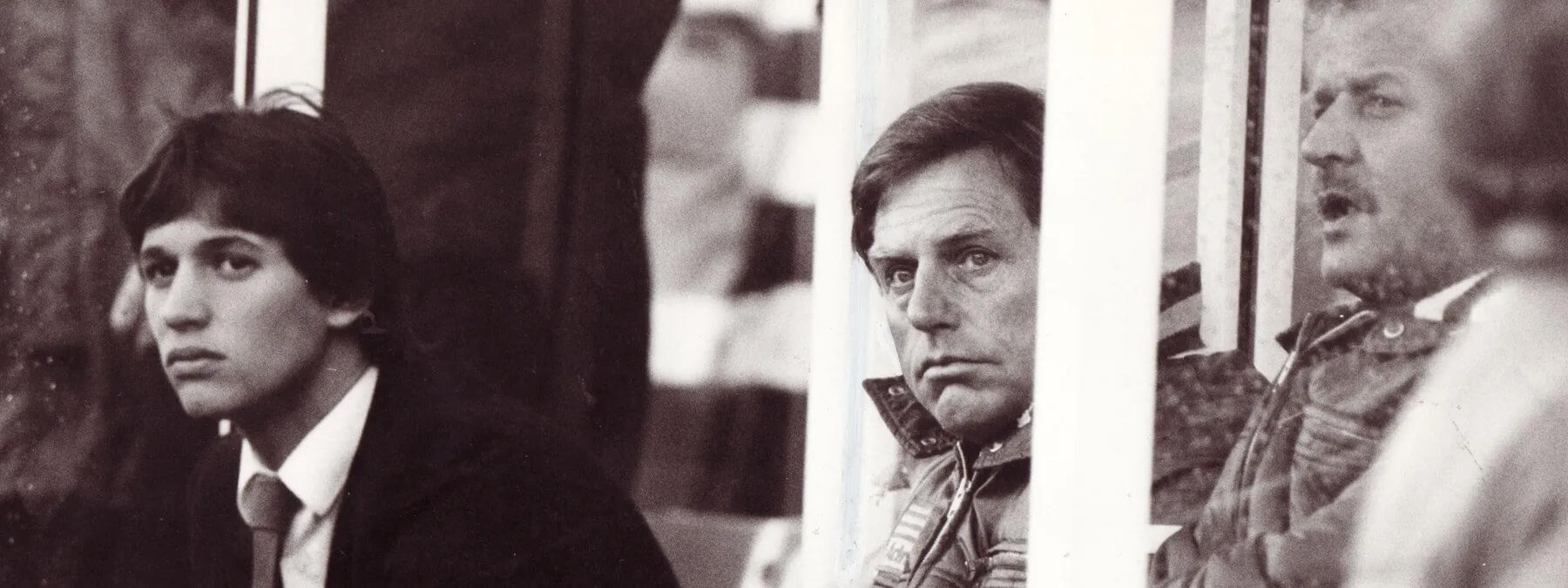 I reckon it's Gordon Milne, whose autobiography is just out. The title is 'Shankly, My Dad and Me', which is itself instructive. He had an incredibly distinguished career, but it's Shanks who gets top billing. I've been speaking to Gordon this week, and I'll put the results of that interview on here shortly. As a taster for that, here's a brief run through of the highlights of that amazing career as a player and manager. After that, a brief chat with Steve Younger, who helped Gordon write the book. 1) England v Brazil, Wembley 1963. We'll start with his England debut. Let's freeze the action just 12 seconds into the game. Bobby Charlton is in possession wide on the left, and that man with his hands in the air, keen to get his first touch in international football, is Gordon Milne of Liverpool. Bobby decides to give him the ball. Look at what happened next - his first three touches in an England shirt: Had the shot gone in, it would have been the most sensational start to any England career. That was the first England XI chosen by Alf Ramsey. Milne was his type of player - a man who plays for the team, a hard worker (notice how quickly he tried to get back in position when the Brazilian keeper saved that shot), but with the technical ability to perform at the top level. After this impressive debut (it finished 1-1), he became a regular, winning 14 caps in the next year and a half. He must have been dreaming of glory in 1966. But it didn't happen. Players such as Alan Ball and Martin Peters moved ahead of him, and like Paul Gascoigne in 1998, he suffered the heartbreak of being one of those chosen for the pre-tournament squad but left out of the final 22. Is it any consolation that he later enjoyed a more successful managerial career than any of the 22 players Ramsey selected? 2) April 3rd 1974 Alf Ramsey's last game as England manager finishes in a dull goalless draw in Portugal. What should have been vital preparation for the World Cup Finals in West Germany was in the end just a meaningless friendly. We'd been knocked out in the qualifiers by Poland. At the end of the month, Ramsey was sacked. Who would replace him? The bookies had Coventry boss Milne and Ipswich's Bobby Robson as joint favourites to take over (with Clough fancied to take over at Villa Park). It was later revealed that Milne (but not Robson) was indeed on a shortlist drawn up by the FA - along with Leicester City's Jimmy Bloomfield. But when Revie threw his hat in the ring, it was he that the FA turned to, and Milne stayed at Highfield Road. Let's go back and see how his managerial career began, at the start of the 70s: 3) June 5th 1971 It's the Football League's AGM, and Wigan Athletic are waiting to discover their fate. Milne had taken over at the ambitious non-League club a year earlier, and had already enjoyed spectacular success, taking them to the Northern Premier League title. Their dream was to enter the Football League, but there was no automatic promotion then. It all depended on the vote at the AGM. The previous season, Bradford Park Avenue had been the first club voted out in a decade - replaced by Cambridge United, who employed a PR company to devise a slick campaign to gather the necessary votes. This year, Wigan decided to employ the same company. It all went disastrously wrong. They had been promised 35 votes, which would have got them in. But when Len Shipman, Football League President and Chairman of Leicester City, announced the results, there was astonishment from the Wigan party. They received the support of just 14 clubs. What on earth had happened? Prior to the vote, the PR company had arranged for an expensive Parker pen to be presented to representatives of each of the Football League clubs. According to newspaper reports at the time, this backfired spectacularly, taken as a crass gesture, akin to bribery. Gordon Milne was stranded in non-League football. But the following season, success in his other job, manager of the England Youth team, got him his position in the First Division at Coventry (see previous thread about the Wallace/Milne connection). Here he is at the time of his appointment - not the highest quality photo, but it captures a young, suave and successful Gordon, looking for all the world as though he's about to announce his candidacy for Presidency of the United States, 4) March 28th 1964 Gordon had played for three clubs before taking over at Wigan - Preston, Liverpool and Blackpool. When asked about the most memorable games of that career, he would point to Easter 1964, and a key game at Filbert Street. Under Bill Shankly, Liverpool were chasing their first title in almost two decades. Three games in four days, from Good Friday to Easter Monday, would be decisive: Tottenham (a) April 27th Leicester (a) April 28th Tottenham (h) April 30th Tottenham were chasing the title too - they didn''t come this close again until 2015/16. Liverpool got a crucial 2-0 win at White Hart Lane, but Gordon Milne picked up an injury and was doubtful for the game at Filbert Street 24 hours later. Trainer Bob Paisley worked furiously on the injury when they arrived that evening at their hotel in Leicester. Also in the city that evening were Liverpool fans who'd arrived early, desperate not to miss the game. Some of them broke into the ground overnight with tins of red paint, and when the groundsman turned up first thing next morning, he found red goal posts, and LFC graffiti at the back of the Main Stand Enclosure: The graffiti was removed in time for the game, but as the Mercury reported, the goalposts still had a 'pinkish hue'. Milne was declared fit, and he played a key role in Liverpool's 2-0 win that kept them on course. Here he is, centre of shot, celebrating the second goal: Two days later Liverpool completed a perfect Easter, beating Spurs at Anfield to condemn them to decades of also-ran status, and a few days later Liverpool clinched the title to kick off the Reds' dominance of the next 25 years. 5) April 30th 1965 A year later and Liverpool are in the FA Cup Final v Leeds United, looking to break the spell and bring the trophy to Anfield for the very first time. For Milne, it''s a chance to claim the winners' medal that eluded his father Jimmy in 1938 when he missed Preston's triumph due to injury. But incredibly, Gordon suffered the same heartbreak, injured against Chelsea just two weeks before the big game. This photo says everything - taken the day before the final as his teammates get the feel of the Wembley turf. 6) Autumn 1977 Anyone remember Brian Clough's message to Forest fans before a match at the City Ground? This was actually a two-man campaign. A few days later, Gordon Milne made this appeal to Coventry City fans: At Highfield Road two days later, Coventry beat West Ham 1-0 and fans sang 'We are not allowed to swear' (to the tune of 'Bread of Heaven' - you know - the 'we'll support you evermore' melody), and also sang 'you're a bounder, you're a bounder, you're a bounder referee!' and 'What the flip, what the flip, what the flippin hell was that?' And we can't leave Gordon's Coventry years without a quick mention of this notorious moment four seasons later when Clive Allen's shot came back off the stanchion at the back of the net: Wonderful line that from Terry Venables: 'If the ref's saying we've got to hit some particular part of the net to get a goal....' Milne was sympathetic, 'I have no doubt it was a goal', he said. 7) Gordon Milne and Terry Venables, in opposition here too - at the top of this list: What's that stat about? Several bonus points for anyone who can guess the answer before I tell you. The presence of Jock there is a pretty big clue. OK - it's the managers Gary Lineker scored most goals for, whether for club or county. Gordon's glorious first season at Filbert Street was covered recently on here, and there'll be more Leicester talk in the forthcoming interview. For the time being, here's the day he joined the club - saying farewell to players at Coventry, then shaking hands with Terry Shipman (eleven years after the Parker pens incident with father Len). The presence of Tommy English in the top picture is ominous. 8) Besiktas May 1990 Gordon moved to Istanbul just after his 50th birthday, and enjoyed six years of remarkable achievement. Look at the reception the players get on the day they won the title - the first of three in a row under Gordon's guidance. Gordon has god-like status among Besiktas fans, and I hope the book will bolster his legacy in this country - not least among Leicester fans.
 -
The Most Under-Rated Manager in Leicester City History
kushiro replied to kushiro's topic in Leicester City Forum
So here's that brief chat wth Steve Younger, who helped Gordon write the book (published by PItch, the company that put out Of Fossils And Foxes). Hi Steve. It's great to have the chance to talk to you about this book. Could you first of all give us some background. How did you meet Gordon and how did this book come about? Up until a couple of years ago I was working for Pitch International, a sports marketing agency based in London. When I left the company, Jon Owen, a founding partner of Pitch (and one of my oldest friends) and sports TV doyen Trevor East (former Pitch Chairman and also a great friend) put it to me that Gordon was looking to write his story; both have known Gordon a long time, Trevor in particular. I think they approached me because prior to leaving Pitch I ran their production department for more than a decade, producing and directing sports documentaries and writing and editing the scripts. So, when the idea of Gordon’s book was floated, I suppose they saw me as a good fit for such a project. I also had time on my hands. Trev, Jon, Gordon, and I got together, along with Andy Sterling (a Pitch associate and another long-time friend of Gordon’s). And that was all it took; Gordon and I hit it off – he’s such a lovely man, it’d be nigh on impossible not to get on with him – and we were up and running. I must give great credit here to Jon, Trev, and Andy; without their help and support, this book would never have been written – at least not by me, anyway! Given my background, it felt like a natural progression to go on to write a book, though having said that, I’m not sure how it would’ve come about if the opportunity hadn’t landed in my lap! Much like several moments in Gordon’s career I was, to pinch his line, in the right place at the right time. I’m very fortunate, and very grateful. Bill Shankly was a scrapbook man. Was Gordon too? Have he and his family kept a detailed record of his career, and if so, did that make the writing of the book easier? Gordon’s home office is like a museum; nearly every inch of wall space is covered with a framed photograph or another item of memorabilia, and there are also several scrapbooks in the house (along with the numerous other photos, press cuttings, letters and so forth, which never made it into said scrapbooks), the curation of which is largely – if not completely – the handiwork of Gordon’s wife, Edith. There’s so much stuff that I, particularly as a Liverpool supporter, found fascinating, but interestingly, it didn’t really affect the writing of the book; we could’ve easily become bogged down in the minutiae of Gordon’s career but neither he nor I wanted that. We agreed at the outset – and still agree – that often, sports biographies full of stats, facts and figures are not the most entertaining of reads and these days, such stats are readily available on-line anyway, to anyone who wants to search for them. I’m not for a minute suggesting Shankly, My Dad and Me is more entertaining than such books, but we didn’t want to go down that road. This book was always intended to be about memories, moments, and people. Gordon had an incredibly long and varied career in the game, stretching over more than 50 years. How difficult was it to decide what to leave in and leave out of the book? How does Leicester City fit into that? It was very difficult – the first draft was twice as long as the final version! Gordon had handwritten much of the material, but the rest came from multiple Zoom calls – often just simple chats which we found triggered further memories which perhaps would not have arisen had we worked any other way. I then transcribed these chats and attempted to hammer then into some sort of shape. So much of what came out of those conversations concerned other people, and Gordon’s encounters with them, but ultimately this book had to be centred on Gordon himself so, acting upon the advice of the publishers regarding how long the book should be, several passages unfortunately had to go; not always though, as there were so many memories, so in terms of what we felt had to stay in, there was a lot of time spent cutting, trimming, and re-writing. Leicester City FC obviously plays a huge part in Gordon’s story. When he arrived at Filbert Street, he’d already been a top-flight manager for the best part of a decade, and he continued in that vein at Leicester for another five years or so. It’s a period which introduced more big names too, such as Gary McAllister, Gary Lineker, and Alan Smith. For Gordon it was an incredibly important time of his life. I hope the book reflects that. In the online preview of the book, it says 'this enthralling account spans six decades of an incredible journey through the game and his encounters along the way'. You've obviously worked very closely with Gordon over a long period to prepare this book. How has that encounter affected you? It’s been extremely fulfilling. As this process was entirely new to both of us, I’m pretty sure our method of work was not as efficient as it could have been, but that didn’t concern us too much – we just went about it naturally and, in a way, muddled through. I always looked forward to the next zoom call with Gordon, and have always enjoyed writing too, so none of it was ever a chore. It’s something I would like to continue, most certainly. Please tell us about Steve Younger the football fan. Where are you from? When did you start going to matches yourself? Can you recall your first game? Who did you support as a boy? Was your own father, like Gordon's, a big influence? Do you go to games now? I’m from Formby, about 10 miles north of Liverpool. My first visit to Anfield (I’ve always been a Liverpool supporter) was in November 1980. Coventry City were the visitors, at that time managed by…Gordon Milne! (Liverpool won 2-1, though Gordon claims not to remember...!) I was 8 years old at the time, and my dad took me, though as a born and bred Geordie he supported Newcastle so wasn’t quite as excited as me! In truth, my dad was more of a rugby fan, having played to a decent standard in his youth. I’m sure he was somewhat disappointed in my allegiance to Liverpool though (my two brothers, my mum, my grandparents, all supported Newcastle), but there was never any pressure on me to join their Magpies gang. My dad was a massive influence on me, yes, but not when it came to football. When I can, I still go to games with Jon; as I mentioned earlier, he’s one of my oldest friends and he and I have been going to Liverpool matches together since we were kids. There are loads of other lads in our group too, and win, lose, or draw, we always have a ball. On top of that, some of these lads’ kids are now joining us as well – not just at Anfield, but away too, and that includes Europe. It’s fantastic – the next generation is coming through strong!- 22 replies
-
- 11
-
-
-
I reckon it's Gordon Milne, whose autobiography is just out. The title is 'Shankly, My Dad and Me', which is itself instructive. He had an incredibly distinguished career, but it's Shanks who gets top billing. I've been speaking to Gordon this week, and I'll put the results of that interview on here shortly. As a taster for that, here's a brief run through of the highlights of that amazing career as a player and manager. After that, a brief chat with Steve Younger, who helped Gordon write the book. 1) England v Brazil, Wembley 1963. We'll start with his England debut. Let's freeze the action just 12 seconds into the game. Bobby Charlton is in possession wide on the left, and that man with his hands in the air, keen to get his first touch in international football, is Gordon Milne of Liverpool. Bobby decides to give him the ball. Look at what happened next - his first three touches in an England shirt: Had the shot gone in, it would have been the most sensational start to any England career. That was the first England XI chosen by Alf Ramsey. Milne was his type of player - a man who plays for the team, a hard worker (notice how quickly he tried to get back in position when the Brazilian keeper saved that shot), but with the technical ability to perform at the top level. After this impressive debut (it finished 1-1), he became a regular, winning 14 caps in the next year and a half. He must have been dreaming of glory in 1966. But it didn't happen. Players such as Alan Ball and Martin Peters moved ahead of him, and like Paul Gascoigne in 1998, he suffered the heartbreak of being one of those chosen for the pre-tournament squad but left out of the final 22. Is it any consolation that he later enjoyed a more successful managerial career than any of the 22 players Ramsey selected? 2) April 3rd 1974 Alf Ramsey's last game as England manager finishes in a dull goalless draw in Portugal. What should have been vital preparation for the World Cup Finals in West Germany was in the end just a meaningless friendly. We'd been knocked out in the qualifiers by Poland. At the end of the month, Ramsey was sacked. Who would replace him? The bookies had Coventry boss Milne and Ipswich's Bobby Robson as joint favourites to take over (with Clough fancied to take over at Villa Park). It was later revealed that Milne (but not Robson) was indeed on a shortlist drawn up by the FA - along with Leicester City's Jimmy Bloomfield. But when Revie threw his hat in the ring, it was he that the FA turned to, and Milne stayed at Highfield Road. Let's go back and see how his managerial career began, at the start of the 70s: 3) June 5th 1971 It's the Football League's AGM, and Wigan Athletic are waiting to discover their fate. Milne had taken over at the ambitious non-League club a year earlier, and had already enjoyed spectacular success, taking them to the Northern Premier League title. Their dream was to enter the Football League, but there was no automatic promotion then. It all depended on the vote at the AGM. The previous season, Bradford Park Avenue had been the first club voted out in a decade - replaced by Cambridge United, who employed a PR company to devise a slick campaign to gather the necessary votes. This year, Wigan decided to employ the same company. It all went disastrously wrong. They had been promised 35 votes, which would have got them in. But when Len Shipman, Football League President and Chairman of Leicester City, announced the results, there was astonishment from the Wigan party. They received the support of just 14 clubs. What on earth had happened? Prior to the vote, the PR company had arranged for an expensive Parker pen to be presented to representatives of each of the Football League clubs. According to newspaper reports at the time, this backfired spectacularly, taken as a crass gesture, akin to bribery. Gordon Milne was stranded in non-League football. But the following season, success in his other job, manager of the England Youth team, got him his position in the First Division at Coventry (see previous thread about the Wallace/Milne connection). Here he is at the time of his appointment - not the highest quality photo, but it captures a young, suave and successful Gordon, looking for all the world as though he's about to announce his candidacy for Presidency of the United States, 4) March 28th 1964 Gordon had played for three clubs before taking over at Wigan - Preston, Liverpool and Blackpool. When asked about the most memorable games of that career, he would point to Easter 1964, and a key game at Filbert Street. Under Bill Shankly, Liverpool were chasing their first title in almost two decades. Three games in four days, from Good Friday to Easter Monday, would be decisive: Tottenham (a) April 27th Leicester (a) April 28th Tottenham (h) April 30th Tottenham were chasing the title too - they didn''t come this close again until 2015/16. Liverpool got a crucial 2-0 win at White Hart Lane, but Gordon Milne picked up an injury and was doubtful for the game at Filbert Street 24 hours later. Trainer Bob Paisley worked furiously on the injury when they arrived that evening at their hotel in Leicester. Also in the city that evening were Liverpool fans who'd arrived early, desperate not to miss the game. Some of them broke into the ground overnight with tins of red paint, and when the groundsman turned up first thing next morning, he found red goal posts, and LFC graffiti at the back of the Main Stand Enclosure: The graffiti was removed in time for the game, but as the Mercury reported, the goalposts still had a 'pinkish hue'. Milne was declared fit, and he played a key role in Liverpool's 2-0 win that kept them on course. Here he is, centre of shot, celebrating the second goal: Two days later Liverpool completed a perfect Easter, beating Spurs at Anfield to condemn them to decades of also-ran status, and a few days later Liverpool clinched the title to kick off the Reds' dominance of the next 25 years. 5) April 30th 1965 A year later and Liverpool are in the FA Cup Final v Leeds United, looking to break the spell and bring the trophy to Anfield for the very first time. For Milne, it''s a chance to claim the winners' medal that eluded his father Jimmy in 1938 when he missed Preston's triumph due to injury. But incredibly, Gordon suffered the same heartbreak, injured against Chelsea just two weeks before the big game. This photo says everything - taken the day before the final as his teammates get the feel of the Wembley turf. 6) Autumn 1977 Anyone remember Brian Clough's message to Forest fans before a match at the City Ground? This was actually a two-man campaign. A few days later, Gordon Milne made this appeal to Coventry City fans: At Highfield Road two days later, Coventry beat West Ham 1-0 and fans sang 'We are not allowed to swear' (to the tune of 'Bread of Heaven' - you know - the 'we'll support you evermore' melody), and also sang 'you're a bounder, you're a bounder, you're a bounder referee!' and 'What the flip, what the flip, what the flippin hell was that?' And we can't leave Gordon's Coventry years without a quick mention of this notorious moment four seasons later when Clive Allen's shot came back off the stanchion at the back of the net: Wonderful line that from Terry Venables: 'If the ref's saying we've got to hit some particular part of the net to get a goal....' Milne was sympathetic, 'I have no doubt it was a goal', he said. 7) Gordon Milne and Terry Venables, in opposition here too - at the top of this list: What's that stat about? Several bonus points for anyone who can guess the answer before I tell you. The presence of Jock there is a pretty big clue. OK - it's the managers Gary Lineker scored most goals for, whether for club or county. Gordon's glorious first season at Filbert Street was covered recently on here, and there'll be more Leicester talk in the forthcoming interview. For the time being, here's the day he joined the club - saying farewell to players at Coventry, then shaking hands with Terry Shipman (eleven years after the Parker pens incident with father Len). The presence of Tommy English in the top picture is ominous. 8) Besiktas May 1990 Gordon moved to Istanbul just after his 50th birthday, and enjoyed six years of remarkable achievement. Look at the reception the players get on the day they won the title - the first of three in a row under Gordon's guidance. Gordon has god-like status among Besiktas fans, and I hope the book will bolster his legacy in this country - not least among Leicester fans.
- 22 replies
-
- 11
-
-
-
City of Leicester & Leicestershire - The Good and Historical Stuff
kushiro replied to davieG's topic in General Chat
I'm reading Robert Mark's autobiography at the moment - he was Chief Constable of Leicester in the 60s and it was his decision to introduce traffic wardens. A large part of his chapter on Leicester is devoted to dealing with the city's traffic problems. There was a massive backlash because he removed the right of people to basically park anywhere they like in the city. It was a 50s/60s version of the 'war on the motorist' scare stories. Of course, it only took a couple of years for people to realise 'wow, we can now drive through the city centre fairly smoothly' and everyone said they'd been in favour all along. Mark is more famous for what he did in his next job - as head of the Met, where he tackled the endemic levels of corruption in the CID. And people of my age know him for this: -
City of Leicester & Leicestershire - The Good and Historical Stuff
kushiro replied to davieG's topic in General Chat
In the early days of the station, Radio Leicester conducted a survey asking people to choose five ‘local celebrities’ – the people chosen were comedian Bill Maynard, actor Norman Bird, cricketer Tony Lock, footballer John Sjoberg and Englebert Humperdinck. -
Test Thread - Post whatever you like as practice
kushiro replied to WigstonWanderer's topic in Forum Support
Thursday 9th Theme: Desert Island Chants 1) 1929 Dundee Violet win the Scottish Junior Cup - the trophy goes north of the Tay for the first time. As a result, several senior players join professional clubs, opening the way for young players to replace them. One of them was Jimmy Milne. It's a great song, and the line 'I'll crouch with the fox' gives us a glimpse of where the Milne story would go 50+ years later: Here's another fine Dundee song - from the other lot! Johnny Scobie, would you believe, was the Leicester City theme song in 1948 - it was played at Filbert Street before matches. Unfortunately, it has been completely forgotten. It would be so great if it could be revived, with the lyrics changed 2) Preston Cup Song in the 1930s (and the 1950s) - Keep Right On To The End Of The Road. After winning the Cuo in 1938 the Preston team came home in triumph on the Monday, with a celebratory parade from the station to Deepdale, where a reserves match was scheduled. 20,000 were there to see the reserves, and who knows how many lined the route from the station. Lancashire Evening Post, May 3rd: In front came Blackburn’s Steel Works Band, playing a special march of triumph composed by their conductor Mr JH Hughes, and blending the team’s theme song ‘Keep right on to the end of the road’ and the march ‘See the conquering hero comes’. It was only on Sunday that Mr Hughes received a special message that ‘End of the road’ had to be featured in the music played for North End’s welcome. He could not lay his hands on the music, try as he did. He got a man to sing the chorus over to him and wrote down the air, there and then. He spent yesterday orchestrating it – and so the band played it in a composition which will have an abiding place, no doubt, in Preston’s history. All the way to Deepdale it was cheers and cheers again, to the accompaniment of ‘Keep right on’. At the Central League match the cup was marched in triumph round the field. Kenneth McKellar's song My Love is Like a Red, Red Rose was one of Shankly's Desert Island Discs, broadcast in the week of the Cup Final in 1965. 3) April 1963 FA Cup Semi-Final: Leicester City 1 Liverpool 0 at Hillsborough. Some Liverpool fans claim that it was in the midst of their disappointment after the final whistle that fans started singing You'll Never Wallk Alone for the first time, a few months before it entered the charts and went to number one. It was already a regular at gigs in the city - Gerry and the Pacemakers had been playing it since 1961. This too was one of Shanks' Desert Island Discs. 4) Liverpool v Inter May 1965. The Kop as ever find the tune to fit the moment: 5) 1965/66 Kop chant to celebrate two great players who were sometimes competing for one place in the line-up: Geoff Strong! Gordon Milne! Geoff Strong! Gordon Milne! 6) May 13th 1967 Gordon plays his last game for Liverpool and prepares to sign for their opponents that day, Blackpool, who have been relegated and will be in Division Two next season. On the same day 120 miles away, Coventry beat Millwall 3-1 to clinch the Second Division title. After the game Jimmy Hill and the players celebrate, and looks forward to a long stay in the top flight. Jimmy would soon be gone, but the Sky Blues would stay in Division One for a little longer: 7) October 29th 1977: Before Nottingham Forest's game v Middlesbrough, a message from Brian Clough is displayed to the fans: A few days later, Gordon Milne makes the same appeal to the Coventry fans: At Highfield Road two days later, Coventry beat West Ham 1-0 and fans sing 'We are not allowed to swear' (to the tune of 'Bread of Heaven'), 'you're a bounder, you're a bounder, you're a bounder referee!' and 'What the flip, what the flip, what the flippin hell was that?' 8) 1982- 1987 When You're Smiling 9) 1987^ 1993 Besiktas -
Test Thread - Post whatever you like as practice
kushiro replied to WigstonWanderer's topic in Forum Support
Monday 6th: Theme: England or Scotland? 1) England 1 Brazil 1 April 1963. Freeze frame, 12 seconds into the match. Who's that with his hands up? 2) June 6th - June 20th 1966 Lilleshall Close-up: 3) How close did Jimmy come to a Scotland cap? Gordon's quote: March 28th 1963 after being named as reserve for England v Scotland : The War may have cost Jimmy Milne a Scotland cap. Let’s hope they don’t start another one to rob me of my chance. 4) As a boy, who did you support when England played Scotland? 5) April 1951. Jimmy was the trainer for the Football League XI v the League of Ireland in Dublin. 6) June 1971. England Youth Team manager. 1972: Brian Little in the squad for the European Championships in Spain: 7) May 1974: After Alf was sacked: 8) May 1st Gary Lineker is watching snooker on TV (it would have been the World Championship QF) when Gordon Milne calls to say Bobby Robson wants him in the England squad for the first time for the game with Wales in Wrexham tomorrow. Trevor Francis was unfit. First England call-up for a Leicester player since 1975. 9) Keskin of Besiktas marks Lineker both home and away in the Euro 92 qualifiers - very effectively. 10) Turkey trip for the FA in 2003. -
Test Thread - Post whatever you like as practice
kushiro replied to WigstonWanderer's topic in Forum Support
-
Test Thread - Post whatever you like as practice
kushiro replied to WigstonWanderer's topic in Forum Support
-
Test Thread - Post whatever you like as practice
kushiro replied to WigstonWanderer's topic in Forum Support
edit -
Test Thread - Post whatever you like as practice
kushiro replied to WigstonWanderer's topic in Forum Support
-
Peter Jackson's video is fantastic. It's really worthwhile reading this interview about how he approached it: Read What Peter Jackson Says About Making The Beatles' Last Music Video. | The Beatles
-
I didn't mention in the 1982/83 thread last week that the man responsible for that attacking formation was not Milne, but his assistant Gerry Summers. When he joined the staff in October 1982, ‘He saw the potential in Alan, Gary and myself and we adapted a way of playing, geared to attack’. That's Lynex speaking. Summers should get more recognition for that. Though he was no doubt happy that an earlier moment in his career also went largely unnoticed. He was the villain in 1961 when playing for Sheffield United against us in the FA Cup Semi-Final. His awful challenge on Gordon Wills led to him being stretchered off and missing the Cup Final v Spurs. His culpability wasn't reported on at the time. It's only later analysis of the match highlights that brought it to light. Here's the tackle (with the ball nowhere to be seen), and the aftermath:
-
1980/81. The only time Gordon Milne and Jock Wallace faced each other as managers, with Milne's Coventry beating Jock's Leicester twice, helping to send us down. In that season, which player scored most goals against us? It was one of Milne's Sky Blues, and you might recognise him in the photos below. Here are the four goals he scored against us: Recognise the Leicester players failing to stop him? Mark Wallington, Larry May, Tommy Williams and John O'Neill. The sharp shooter is of course Tommy English, the man Milne brought to Leicester two seasons later, swapping him for Jim Melrose. The top picture is him scoring at Filbert Street in a 3-1 win in October, and he's wearing not sky blue but the famous brown kit, the next three are his hattrick at Highfield Road in a 4-1 win in March. Here's the video of the first game, which also includes Gary Lineker's first ever goal in the top flight:
-
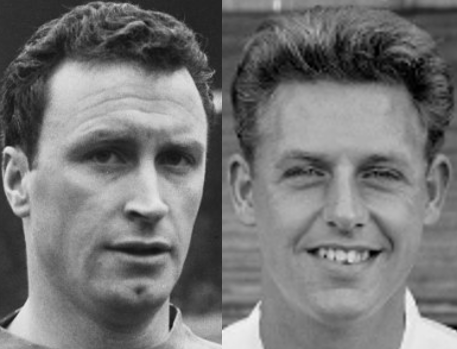 Let's imagine Leicester City history as a row of books lined up in order on a shelf - the book of Pearson, the book of Ranieri etc - one for each of the 42 men who've managed the club (some volumes a lot thicker than others). Right in the middle, the book of Wallace sits next to the book of Milne. I'm fascinated by the contrast between these two. It's partly because the years they were in charge - 1978-1982 and 1982-1986, were my formative years as a City fan. And it's partly because each represents a classic managerial archetype - one loud and passionate, demanding that his players play the same way; the other quiet and thoughtful, encouraging a more patient approach (many clubs, as well as the England national team, have often swung back and forth repeatedly between those two poles, each new manager compensating for the perceived inadequacies of the former). Despite their differences, Wallace and Milne have something very important in common - something none of those other 40 Leicester managers can boast. Their fathers each had a long and distinguished career in the game - Jock Wallace Senior and Jimmy Milne. By following either of those father-and-son stories you can trace a history of British football in the twentieth century. But if you place the two stories side by side, it starts to get a bit kaleidoscopic. To describe that in detail would require a volume much thicker than we have room for here. So let's have a rapid-fire review of the highlights. The East Coast of Scotland, 1911 In the early months of 1911, the fathers of two future Leicester City managers arrived. On January 24th 1911, James Low Milne was born in Dundee. On April 13th, John Martin Wallace was born in Edinburgh. Just 62 miles and 79 days separated the two events. But as their lives developed, they would be brought even closer together. Flower of Scotland Both spent their childhoods doing what almost all boys in Scotland did back then - kicking a makeshift football round inner city streets and parks at every opportunity. In the late 1920s, Scotland were arguably the strongest football nation in the world. The team known as the 'Wembley Wizards' had pulled off a sensational 5-1 victory over England, and if they had entered the inaugural World Cup in Uruguay, they might well have won it. As the hosts lifted that trophy in the summer of 1930, Milne and Wallace were both 19, playing in Scottish Junior football (what the English call 'non-League'). James, known as 'Jimmy' to his teammates, was a right half, John, known as 'Jock', was a goalkeeper. Each was still playing in the city of his birth - Milne for Dundee Violet, Wallace for Wallyford Bluebell in Edinburgh. Yes - that's really what the teams were called - both named after flowers. It was a tradition in Scotland. There were many teams called 'bluebell' and 'violet', and others were called 'primrose', and of course 'thistle' (it's very difficult to find a definitive explanation for this - perhaps foxestalk's Scotland correspondent @Vacamion could offer an opinion?) In the following season, those young talents would bloom. Both signed for professional clubs. Jimmy stayed in his home town, joining Dundee United, while Jock left Edinburgh to join the Kirkcaldy-based club Raith Rovers. Now the distance between them halved - they were just 30 miles apart. The proximity was not just geographical. Both clubs were in Scottish Division Two, and on February 14th 1931, their paths crossed for the first time. The match was at Stark's Park, and it finished Raith Rovers 0 Dundee United 0. You can see the team line-ups here: Both would soon be heading for England. Milne signed for Preston North End in October 1932, and the following season Jock joined Blackpool. Despite their long journeys south of the border, they ended up even closer together. Now they were separated by less than twenty Lancashire miles, though Preston were in Division One and Blackpool in Division Two. The next time their paths crossed on the football field, both had become fathers. This is where the biggest difference in the two stories appears. Jock Sr dreamed of playing for Scotland, and he had the same ambition for his son. He made sure his wife was back in Scotland for the birth so he would be eligible (the rules were strict back then). Jimmy Milne also aspired to international honours, but he was happy for his children to be born in England. The significance of that would become apparent three decades later. Jock Wallace Jr was born on September 6th 1935 - in Edinburgh, Gordon Milne on March 29th 1937 - in Preston. Here's the Wallaces: We don't have a similar picture of the Milnes. Not yet anyway. When Gordon's book is released next week there's a good chance we may get one - the title is 'Shankly, My Dad and Me'. 'Shankly' is Bill, of course - he was playing alongside Jimmy Milne in the Preston half back line. They were both in the side that faced Blackpool in October 1938, after the Tangerines had been promoted to the top flight. That was the game when our two main characters appeared not just in the same match, but also in the same cartoon. Preston's goal was scored by Milne himself - past Wallace - a half back doing what the forwards had failed to do - at least that was the angle taken by the Lancashire Evening Post: Like Father, Like Son This is where the screen goes all woozy and we cross-fade to a scene 22 years into the future, with Wallace and Milne on opposing sides again. Wallace is still in goal, Milne is still at right half. Only this is the next generation. It's January 2nd 1960, West Brom v Preston, and the only time Jock Jr and Gordon Milne faced each other on the football field. Jock was 24 but Albion were already the fifth team he'd played for. Gordon was still with his first club - and father Jimmy was still at Preston too. After retiring as a player he had become the club's trainer. West Brom won 4-0 that day, and below are the team line-ups. There they are in exactly the same position as in the game 29 years earlier when their fathers first opposed each other: (Notice also 1950s Leicester hero Derek Hogg at outside left for Albion) The presence of his father as trainer was a major reason Gordon wanted to get away from Deepdale. His dad was an inspiration, and he loved listening to his stories of football back in the day, but he wanted to be independent, and shortly afterwards came the move that really set him up - Bill Shankly signed him for Liverpool. League titles and 14 England caps followed (he narrowly missed out on the 1966 World Cup squad). Jock Wallace Jr's later playing career, by contrast, was a disappointment. He never did win the Scotland cap his father hoped for, and he dropped into lower league football. The two of them then moved into management in the early months of 1970, the stories still running in parallel. In the week his father turned 59, Gordon Milne was appointed player-manager of Wigan Athletic. And in the week his father turned 59, Jock Wallace was appointed assistant manager of Rangers. Jock's official title was 'assistant' but it was one of Glasgow's worst kept secrets that he was really in charge of the first team, with Willie Waddell more of a 'general manager'. The most stunning coincidence in the story came next. Gordon's progress with Wigan was quickly noted by the Football Association, and in 1971 he was appointed manager of the England Youth Team (while continuing as Wigan boss). In May 1972 he tasted real success. With 18 year old Brian Little in the squad, England won the European Youth Championships, the tournament the press confusingly called 'the Little World Cup'. It received a lot of media coverage in those days: They won the trophy by beating West Germany 2-0 in the Final at the Nou Camp in Barcelona, and as Milne celebrated with his squad, another group of players from the UK arrived in the city. The European Cup Winners Cup Final was due to be played at the same venue two days later - between Dynamo Moscow and Rangers. The Gers won 3- 2 - the greatest triumph of Jock's managerial career. It remains the club's only European trophy: So Gordon Milne and Jock Wallace both led teams to victory in an international tournament for the first and only time - two days apart, in the same Catalonian stadium. Those triumphs didn't go unrecognised. The following month, Gordon Milne made the massive leap from Northern Premier League to First Division - he was appointed team manager at Coventry City. And Rangers acknowledged the reality of the situation at Ibrox - changing Jock's official job title to 'Manager'. The rest we can summarise quickly. The family dramas had run in parallel across two generations, and now the two sons followed each other at Filbert Street. Wallace was appointed Leicester boss in 1978, and he took us up to the First Division two years later - where Gordon Milne's Coventry City were waiting (separated by less than thirty miles again). The Sky Blues did the double over us that season, 1980/81 - so it was Milne 2 Wallace 0 in the managerial stakes. Had those results been reversed, we would have stayed up and Coventry would have gone down. A year later the book of Wallace closed, and the book of Milne began... There ends the dash through 75 years. We've barely scratched the surface. Jock Wallace's own career was featured on here in some detail last year. Gordon Milne deserves the same treatment, for the tale is just as dramatic. That's coming very soon - hopefully coinciding with the publication of his book next week.
 -
Marvelous. I'm gonna be singing that all night.
-
Let's imagine Leicester City history as a row of books lined up in order on a shelf - the book of Pearson, the book of Ranieri etc - one for each of the 42 men who've managed the club (some volumes a lot thicker than others). Right in the middle, the book of Wallace sits next to the book of Milne. I'm fascinated by the contrast between these two. It's partly because the years they were in charge - 1978-1982 and 1982-1986, were my formative years as a City fan. And it's partly because each represents a classic managerial archetype - one loud and passionate, demanding that his players play the same way; the other quiet and thoughtful, encouraging a more patient approach (many clubs, as well as the England national team, have often swung back and forth repeatedly between those two poles, each new manager compensating for the perceived inadequacies of the former). Despite their differences, Wallace and Milne have something very important in common - something none of those other 40 Leicester managers can boast. Their fathers each had a long and distinguished career in the game - Jock Wallace Senior and Jimmy Milne. By following either of those father-and-son stories you can trace a history of British football in the twentieth century. But if you place the two stories side by side, it starts to get a bit kaleidoscopic. To describe that in detail would require a volume much thicker than we have room for here. So let's have a rapid-fire review of the highlights. The East Coast of Scotland, 1911 In the early months of 1911, the fathers of two future Leicester City managers arrived. On January 24th 1911, James Low Milne was born in Dundee. On April 13th, John Martin Wallace was born in Edinburgh. Just 62 miles and 79 days separated the two events. But as their lives developed, they would be brought even closer together. Flower of Scotland Both spent their childhoods doing what almost all boys in Scotland did back then - kicking a makeshift football round inner city streets and parks at every opportunity. In the late 1920s, Scotland were arguably the strongest football nation in the world. The team known as the 'Wembley Wizards' had pulled off a sensational 5-1 victory over England, and if they had entered the inaugural World Cup in Uruguay, they might well have won it. As the hosts lifted that trophy in the summer of 1930, Milne and Wallace were both 19, playing in Scottish Junior football (what the English call 'non-League'). James, known as 'Jimmy' to his teammates, was a right half, John, known as 'Jock', was a goalkeeper. Each was still playing in the city of his birth - Milne for Dundee Violet, Wallace for Wallyford Bluebell in Edinburgh. Yes - that's really what the teams were called - both named after flowers. It was a tradition in Scotland. There were many teams called 'bluebell' and 'violet', and others were called 'primrose', and of course 'thistle' (it's very difficult to find a definitive explanation for this - perhaps foxestalk's Scotland correspondent @Vacamion could offer an opinion?) In the following season, those young talents would bloom. Both signed for professional clubs. Jimmy stayed in his home town, joining Dundee United, while Jock left Edinburgh to join the Kirkcaldy-based club Raith Rovers. Now the distance between them halved - they were just 30 miles apart. The proximity was not just geographical. Both clubs were in Scottish Division Two, and on February 14th 1931, their paths crossed for the first time. The match was at Stark's Park, and it finished Raith Rovers 0 Dundee United 0. You can see the team line-ups here: Both would soon be heading for England. Milne signed for Preston North End in October 1932, and the following season Jock joined Blackpool. Despite their long journeys south of the border, they ended up even closer together. Now they were separated by less than twenty Lancashire miles, though Preston were in Division One and Blackpool in Division Two. The next time their paths crossed on the football field, both had become fathers. This is where the biggest difference in the two stories appears. Jock Sr dreamed of playing for Scotland, and he had the same ambition for his son. He made sure his wife was back in Scotland for the birth so he would be eligible (the rules were strict back then). Jimmy Milne also aspired to international honours, but he was happy for his children to be born in England. The significance of that would become apparent three decades later. Jock Wallace Jr was born on September 6th 1935 - in Edinburgh, Gordon Milne on March 29th 1937 - in Preston. Here's the Wallaces: We don't have a similar picture of the Milnes. Not yet anyway. When Gordon's book is released next week there's a good chance we may get one - the title is 'Shankly, My Dad and Me'. 'Shankly' is Bill, of course - he was playing alongside Jimmy Milne in the Preston half back line. They were both in the side that faced Blackpool in October 1938, after the Tangerines had been promoted to the top flight. That was the game when our two main characters appeared not just in the same match, but also in the same cartoon. Preston's goal was scored by Milne himself - past Wallace - a half back doing what the forwards had failed to do - at least that was the angle taken by the Lancashire Evening Post: Like Father, Like Son This is where the screen goes all woozy and we cross-fade to a scene 22 years into the future, with Wallace and Milne on opposing sides again. Wallace is still in goal, Milne is still at right half. Only this is the next generation. It's January 2nd 1960, West Brom v Preston, and the only time Jock Jr and Gordon Milne faced each other on the football field. Jock was 24 but Albion were already the fifth team he'd played for. Gordon was still with his first club - and father Jimmy was still at Preston too. After retiring as a player he had become the club's trainer. West Brom won 4-0 that day, and below are the team line-ups. There they are in exactly the same position as in the game 29 years earlier when their fathers first opposed each other: (Notice also 1950s Leicester hero Derek Hogg at outside left for Albion) The presence of his father as trainer was a major reason Gordon wanted to get away from Deepdale. His dad was an inspiration, and he loved listening to his stories of football back in the day, but he wanted to be independent, and shortly afterwards came the move that really set him up - Bill Shankly signed him for Liverpool. League titles and 14 England caps followed (he narrowly missed out on the 1966 World Cup squad). Jock Wallace Jr's later playing career, by contrast, was a disappointment. He never did win the Scotland cap his father hoped for, and he dropped into lower league football. The two of them then moved into management in the early months of 1970, the stories still running in parallel. In the week his father turned 59, Gordon Milne was appointed player-manager of Wigan Athletic. And in the week his father turned 59, Jock Wallace was appointed assistant manager of Rangers. Jock's official title was 'assistant' but it was one of Glasgow's worst kept secrets that he was really in charge of the first team, with Willie Waddell more of a 'general manager'. The most stunning coincidence in the story came next. Gordon's progress with Wigan was quickly noted by the Football Association, and in 1971 he was appointed manager of the England Youth Team (while continuing as Wigan boss). In May 1972 he tasted real success. With 18 year old Brian Little in the squad, England won the European Youth Championships, the tournament the press confusingly called 'the Little World Cup'. It received a lot of media coverage in those days: They won the trophy by beating West Germany 2-0 in the Final at the Nou Camp in Barcelona, and as Milne celebrated with his squad, another group of players from the UK arrived in the city. The European Cup Winners Cup Final was due to be played at the same venue two days later - between Dynamo Moscow and Rangers. The Gers won 3- 2 - the greatest triumph of Jock's managerial career. It remains the club's only European trophy: So Gordon Milne and Jock Wallace both led teams to victory in an international tournament for the first and only time - two days apart, in the same Catalonian stadium. Those triumphs didn't go unrecognised. The following month, Gordon Milne made the massive leap from Northern Premier League to First Division - he was appointed team manager at Coventry City. And Rangers acknowledged the reality of the situation at Ibrox - changing Jock's official job title to 'Manager'. The rest we can summarise quickly. The family dramas had run in parallel across two generations, and now the two sons followed each other at Filbert Street. Wallace was appointed Leicester boss in 1978, and he took us up to the First Division two years later - where Gordon Milne's Coventry City were waiting (separated by less than thirty miles again). The Sky Blues did the double over us that season, 1980/81 - so it was Milne 2 Wallace 0 in the managerial stakes. Had those results been reversed, we would have stayed up and Coventry would have gone down. A year later the book of Wallace closed, and the book of Milne began... There ends the dash through 75 years. We've barely scratched the surface. Jock Wallace's own career was featured on here in some detail last year. Gordon Milne deserves the same treatment, for the tale is just as dramatic. That's coming very soon - hopefully coinciding with the publication of his book next week.
- 7 replies
-
- 10
-
-