
kushiro
-
Posts
1,914 -
Joined
-
Last visited
-
Days Won
15
Everything posted by kushiro
-
Tielemans did it on Tuesday night, but who was the first Belgian international to score against England after leaving Leicester? That was Honore Vlamynck: Born in 1897, he was wounded while defending his homeland from the Germans and came to England to have those wounds treated - arriving in Leicester in late 1914. In 1918 he played four games for Leicester Fosse in the wartime Football League (Midland section), scoring three goals. The Leicester newspapers were having trouble with his name. This was the Leicester Evening Mail on November 2nd: The Leicester Daily Post two days later was getting a little closer: Then the same paper three days after that: The Nottingham press were having similar trouble: As you can see from that report, he was turning out for the Belgian Army as well as playing for Fosse. He returned to Belgium to play for Daring Club Molenbeek, winning the title with them in 1921. Then in March 1923 came that goal against England - a consolation for Belgium in a 6-1 defeat at Highbury. You can read more about him here: Leicester Fosse & The First World War: Honoré Vlamynck (lcfc.com)
-
So the last part. February 18th 2017 After winning the League, lots of us thought we might have a good chance of the other one the following season. When we got past Everton and Derby, then drew Millwall away in the last 16, expectations grew still further. They were in the third tier at the time. Only problem was, the FA Cup as our third priority. We had a fight on our hands to prevent that title glory being tainted by instant relegation, and there was also the small matter of the Champions League knockout stages. The away leg v Sevilla was four days after the Millwall game. So we played a second string XI, and were beaten by a goal ten seconds from the end of normal time, despite them being down to ten men. Things were looking desperate for Ranieri and that game in Spain on the Wednesday was his last. So here's a summary:
-
Part Four January 5th 1991 David Pleat's job was on the line when we headed for The Den for a Third Round tie in 1991. He was supposed to be taking us back to the top flight, but here we were midway through the season fighting to stay out of Division Three. Part of the 'magic' of the FA Cup is that it can transform a team's season and a manager's fortunes. A year earlier, Alex Ferguson was about to be sacked when Man U won at Forest in Round Three then went all the way to Wembley and lifted the Cup. Now, with ten minutes left at The Den, Pleat must have hoped he was about to be thrown a similar lifeline. We had taken the lead with an early Tony James goal and Millwall didn't look like getting an equaliser. Then Paul Ramsey was sent off after a clash with Keith Stevens - his second red card in two weeks. In the remaining ten minutes, Teddy Sheringham equalised and Stevens got the winner. Steve Walsh was then sent off in injury time - his second red card of the season. Pleat was furious. In the dressing room, he blamed Ramsey for the defeat. Walsh spoke up, defending Ramsey, and 'harsh words were exchanged between the three of them', as Walsh later recalled. On the coach back to Leicester, no-one spoke to him or Ramsey. Three days later, the behaviour of the two players was placed into sharper focus when Gary Lineker, now at Spurs, received the FIFA Fairplay Award for going through his whole career without getting booked. Pleat was wondering how to deal with them - 'both players may find themselves out the door' wrote Bill Anderson in the Mercury. But instead it was Pleat whose days were numbered. At the end of the month he was sacked. It was the end of an era at Filbert Street. Chairman Terry Shipman stood down too, replaced by Martin George, and so what you might call the 'Shipman era' - with Terry and his father Len - came to an end after 50 years. We looked no more like potential Cup winners now than we had back then. The defeat at Millwall was our SIXTH Third Round exit in succession. Here's the action from The Den, with the red cards judiciously omitted on the season review video:
-
Right, on with Part Three. February 19th 1985 After beating Burton Albion and Carlisle United, we were drawn away to Millwall in Round Five, the game taking place on a Tuesday night. When the players walked into the away dressing room at The Den, there was a collective groan. 'Oh no - the dreaded green kit!' Sponsors Ind Coope had wanted us to wear green so it matched their brand colour, but we seemed to lose every game we played in it. Things didn't get any better at Millwall - we lost 2-0. That's Lions boss George Graham with goalscorers John Fashanu and Alan McLeary. Graham, looking forward to the quarter-final after the game, said: 'This means there will be more talk of the team, rather than the hooligans'. It was a sad night for Gary Lineker, who missed several chances, with Everton boss Howard Kendall watching from the stand. And it was also, in retrospect, a very sad night for football. If we had won, the notorious Luton v Millwall game in the next round would never have taken place: (Who knows - if we had managed a draw and Millwall had come to Filbert Street for a replay, maybe these infamous scenes would have been played out in Leicester, with the seats being ripped out of the East Stand). Danny Baker was there that night, and this is what he said about in the book Behind Closed Doors that he and Lineker wrote: It's difficult to say just how different things might have been if we'd won at The Den and those scenes had not been shown on the TV news for several days in succession after the game. within everyone saying 'something has to be done!'. The timing was interesting. The year-long miners' strike had just finished, and Margaret Thatcher now had the scalp of Arthur Scargill to add to that of General Galtieri. Now, after the scenes at Luton, she summoned the football authorities to Downing Street and told them her govenment was going to introduce ID cards. Football fans were her new enemy (and that's exactly the word used by political commentators at the time). Had it not been for the Luton game, who knows - Heysel, or some other instance of crowd violence may have been the trigger for the ID cards policy. Of course, it took the Hillsborough tragedy (1989) and the Taylor Report (1990) for the idea to finally bite the dust, just as it was about to be signed into law. That meant that the following year, when we next drew Millwall in the Cup, supporters could pass through the turnstiles in the traditional fashion (33 years on, there's still a lively debate around these issues, as recent threads on this forum demonstrate). That 1991 tie is coming up next, in Part Four.

-
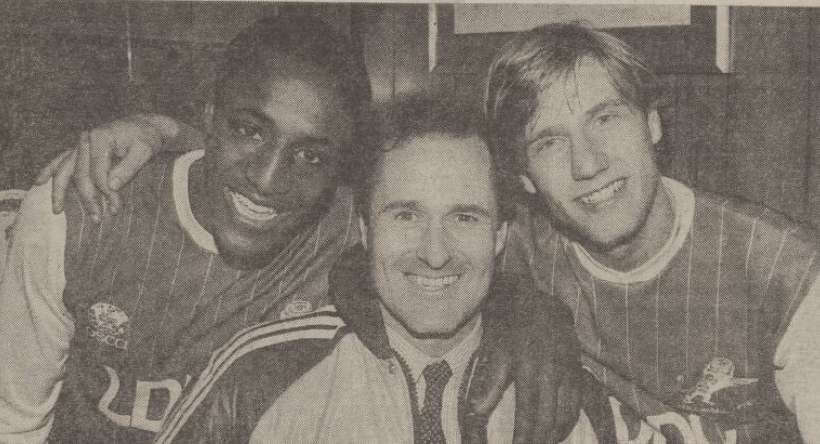
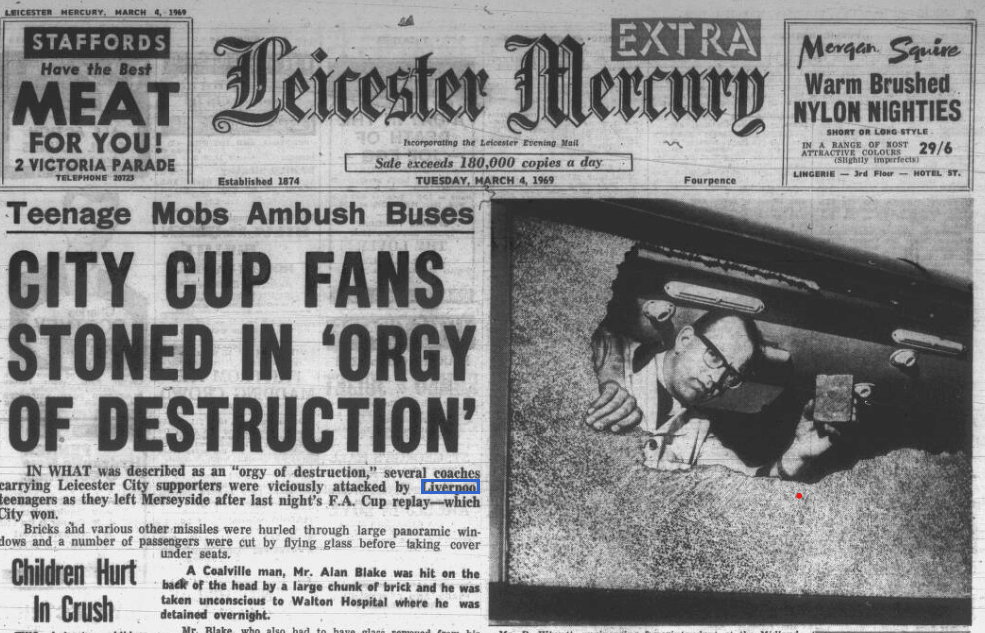
Just before Part Three, here's what happened after that Liverpool replay in 1969: The guy in the picture is 'Mr. R.Wyatt, engineering superintendent at the Midland Red garage in Wigston'.
-
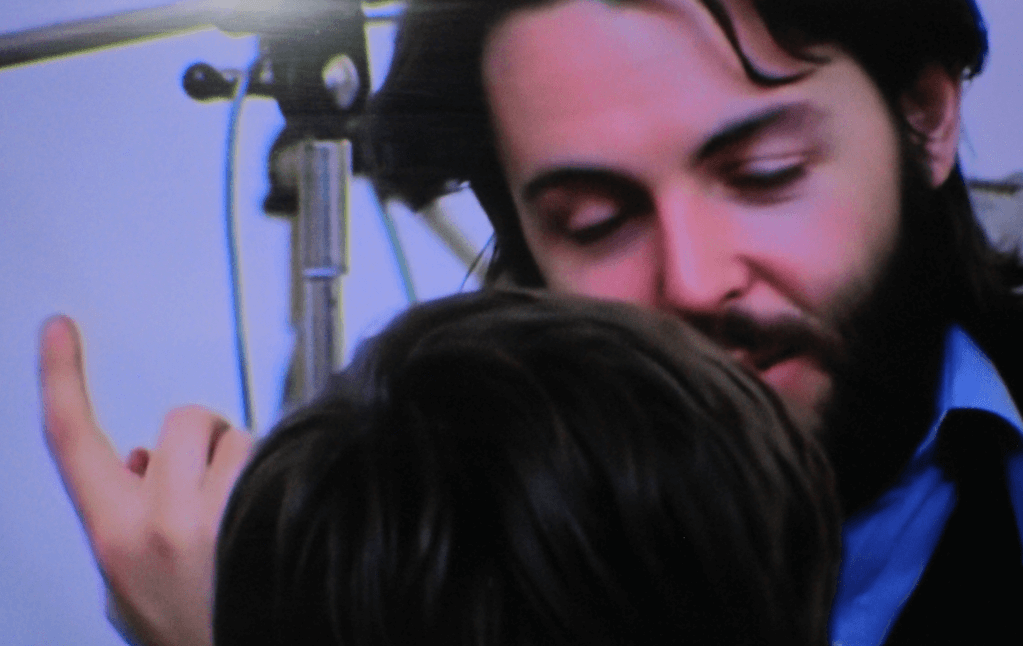
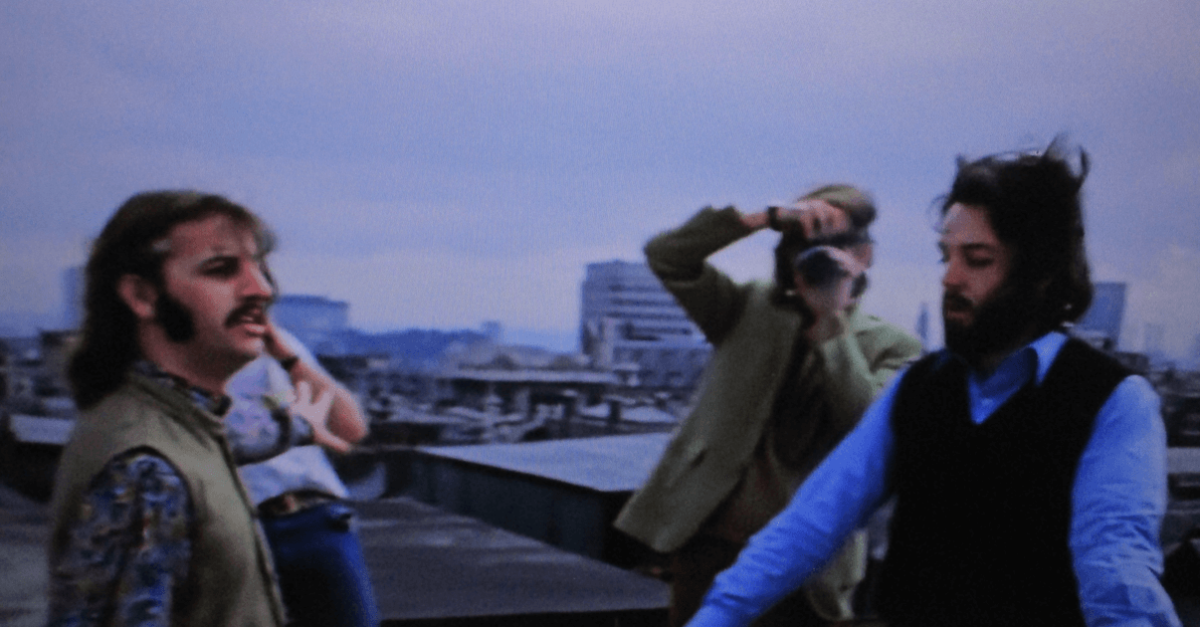
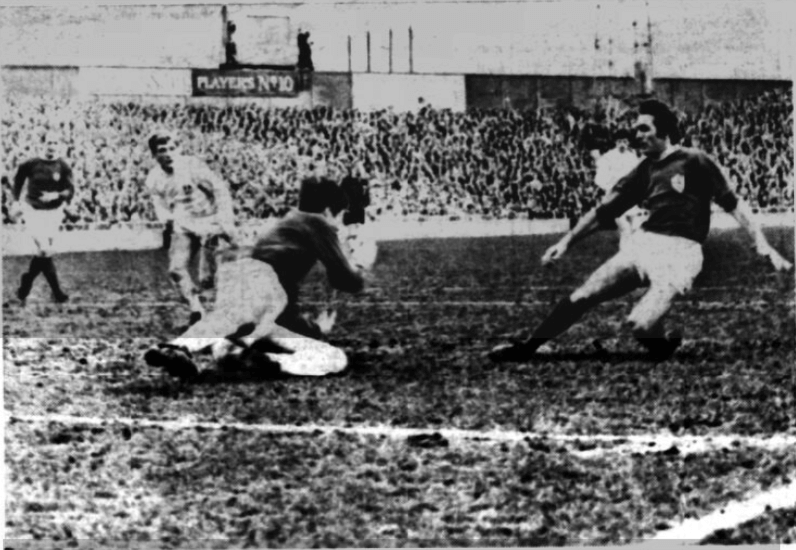
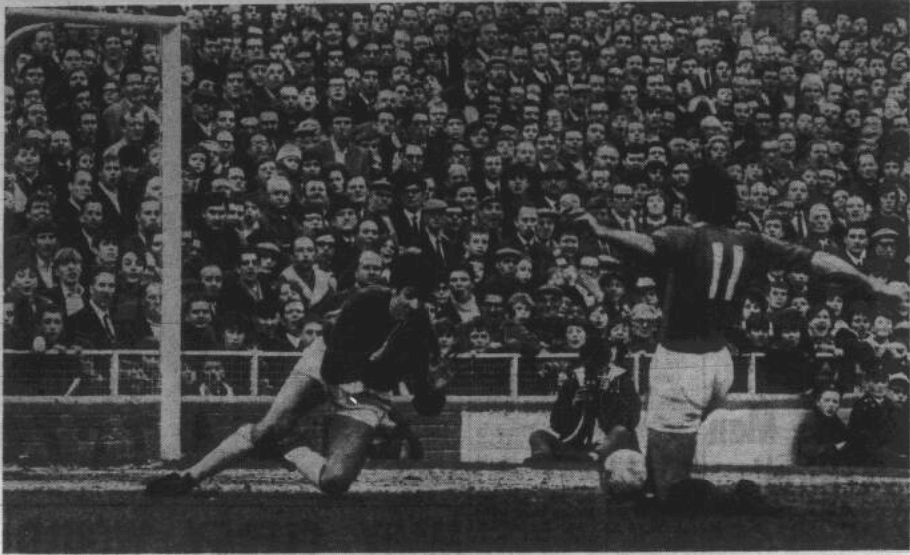
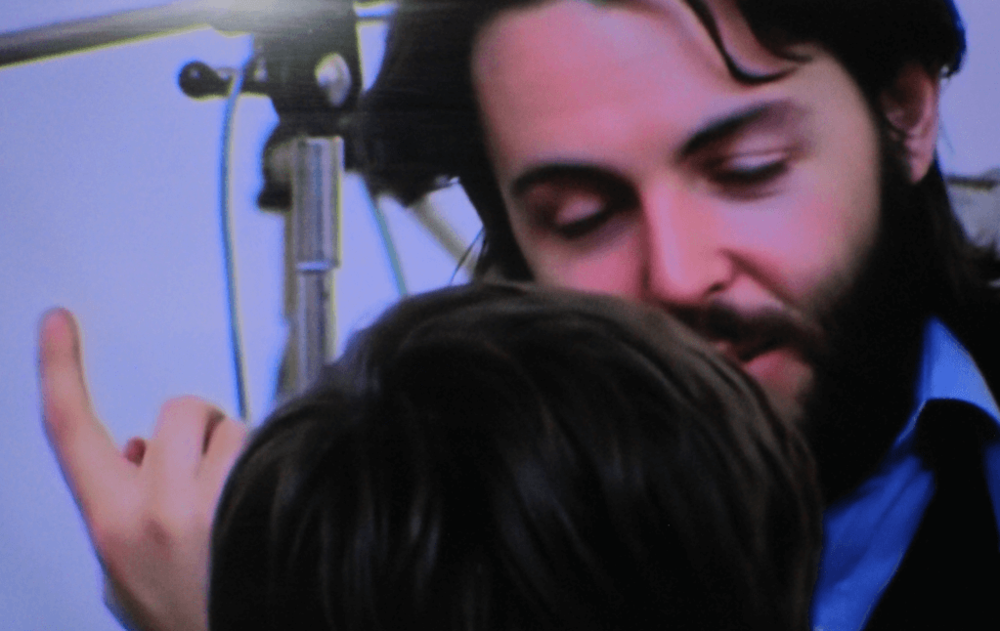
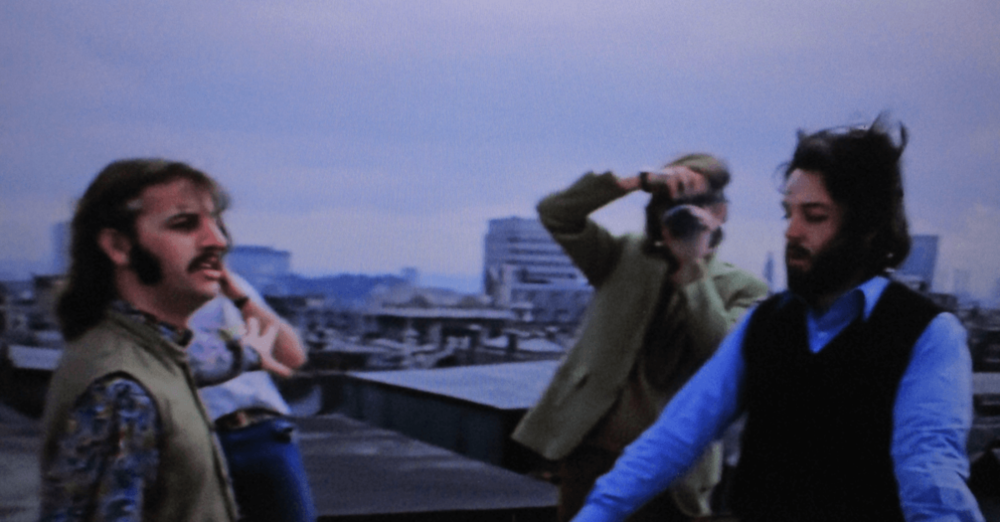
Part Two - Keith Weller v Lenny Glover January 25th 1969 If we're trying to discover the lost songs of Leicester City's FA Cup history, the next time we faced Millwall in the competition provides some intriguing possibilities. It was thirty five years later, but it was almost an exact repeat of 1934. Fourth Round day in the capital with the roars of the crowds once again coming from the North (Arsenal v Charlton and Spurs v Wolves), the West (Fulham v West Brom) and south of the river (Millwall v Leicester City). Anyone standng on top of a tall building in central London that day might have picked up traces of that noise coming from all directions. Well, believe it or not, we know that someone was doing exactly that. In that wonderful eight-hour documentary Get Back, we see The Beatles rehearsing new tracks and arguing endlessly about where they might perform them for the climax of the film. It was on that Saturday, January 25th, that the producers suddenly came up with a solution, and suggested it to Paul McCartney: That's the moment - Paul pointing upwards to the location that Glyn Johns has just suggested - the roof of the Savile Row studios. A few minutes later, Paul, Ringo and several members of the film crew head upstairs and out into the cold January air for a reccy: From other clues in the documentary we know that they went up on the roof between 3pm and 4pm, shortly before it got dark. And this is where we call up the ghost of 'Magic Alex' - the 'scientist' who claimed he could manufacture ingenious devices such as 'electric paint', 'hovering houses', 'voice-activated phones' and an 'artificial sun'. Every time he put forward an idea, John Lennon said 'Yeah - that's great!', and thanks to John's gullibility, he was on the Beatles' payroll for several years. There's a scene in the documentary where the band finally realise that the 'recording studio' he'd been constructing was nothing but a pile a junk, and that 'Magic' Alex was in fact a complete conman (something George Martin had known all along), What we really needed was for Alex to set to work on a machine that could capture those crowd sounds floating across the London skies. Actually, fifty years on, some of his ideas have become reality. We do have voice-activated phones. And we also have incredibly sophisticated audio capture devices. The Get Back documentary was only possible because advances in technology finally allowed Peter Jackson to overcome a long-standing problem - how to separate the conversation in the studio from the sounds of the instruments and other background noise. Jackson's new box of tricks could not only do that, it could also distinguish between the different voices, providing a separate audio track for each member of the group. It was the same technology that allowed John Lennon's vocals to be extracted so cleanly from his 1978 demo tape, and used so effectively in the single they released in November, Now and Then. Perhaps we really could feed the machine the footage from the roof on that Saturday afternoon and have it pick up distant crowd noise from Highbury, White Hart Lane, Craven Cottage and The Den, separating the accents into cockney, black country (Wolves, West Brom) and broad Leicester, giving us a playlist we could call 'Footy Chants, 1969'. Some time in the future there will be an interactive version of the documentary, with viewers able to manipulate each audio track on a separate fader, creating thier own personalized, FA Cup-themed backing track. (John Lennon is nodding his head enthusiastically, saying 'Yeah -- let's do it!') Back on the football field, we were being tormented that day by a 22 year-old Millwall winger called Keith Weller. He was the main threat to our defence, but he couldn't get past our 19 year-old keeper - Peter Shilton. We won the game 1-0, the goal coming from Lenny Glover, twenty minutes into the game. You can see it here from two different angles: Somewhere in that sea of heads we might find 11 year-old Danny Baker and his dad, Spud (and maybe the odd Leicester fan, too. Impossible? It was a different era. See below.) The goal no doubt triggered a hearty chorus of 'Lenny, Lenny Glover, Lenny Glover on the wi-ing'. That victory led to a Fifth Round saga that lasted through the whole of February. We were drawn at home to Liverpool - a tie which was postponed six times due to the icy weather. With Bill Shankly insisting on being present for every pitch inspection, he and Leicester boss Frank O'Farrell became great friends. When the game finally took place on March 1st, it finished 0-0, and everyone thought we had no chance in the replay. This is where we introduce another musical legend (well, in Leicester he is anyway) - future Showaddywaddy lead singer Dave Bartram. Still a schoolboy, he traveled up to the replay and stood on the Kop, surrounded of course by scousers. I wonder what his reaction was when: 1) Lenny Glover raced down the wing, beat Chris Lawler and crossed perfecly for Andy Lochhead to head home. 2) Peter Shilton saved Tommy Smith's penalty. 3) The final whistle blew and we'd held on for a famous victory. After the game, Leicester fans' coaches were smashed up as they stopped at traffic lights near the ground. We then won 1-0 win at Mansfield Town in Round Six, so once again a win at Millwall was a staging post on the way to the semi-finals - this time at Hillsborough against Cup-holders West Brom. Times had changed. The demographic of our traveling support had narrowed, with fewer women, fewer rosettes and rattles, and no accordions. This was a favourite from the Leicester City songbook of the time: We are the boys in the blue and white We love to sing and we love to fight So let's dance (duh-duh-duh-duh du duh-duh-duh-duh) (It's the Chris Montez hit from 1962 - no doubt 'Let's Dance' being switched to 'Let's Fight') That semi-final was also postponed for a week, as the pitch was in such awful condition. When it finally took place we knew that if we made it to our fourth final our opponents would be Manchester City. That's how it turned out, with Allan Clarke's late winner. We made it four Wembley defeats out of four, of course, but that young Millwall winger we encountered in Round Four would soon be heading to Filbert Street and providng us with memorable FA Cup moments throughout the following decade. Part Three is on its way soon.
-

City of Leicester & Leicestershire - The Good and Historical Stuff
kushiro replied to davieG's topic in General Chat
The same building is seen in the wonderful Bob Dylan film Don't Look Back, as fans chase his car after the gig at the De Mont: The road sign says 'University Road'. Now the scene from the film: blink and you'll miss it: https://www.youtube.com/watch?v=hNIQznF6NkQ&t=1620s -
Remembering Bernard Murphy and Henry Scotton
kushiro replied to kushiro's topic in Leicester City Forum
Yeah - ageed. I've put this thread on one of the Everton forums. Very positive response. Remembering Bernard Murphy - and Henry Scotton | GrandOldTeam -
20 years ago today Bernard Murphy set off from his home in Huyton on Merseyside to watch his beloved Everton play at the Walkers Stadium in Leicester. But he never made it to the game. As reported in the Liverpool Echo: Murphy, 40, was walking along Leicester's Upperton Road with his friend Mick Matthews and Mick's 12-year-old son when when a large timber hoarding, caught by gusting winds of 75mph, struck him in the face. The accident happened at around 2.20pm. He died of his head injuries minutes before the fixture against Leicester began. Leicester manager Micky Adams traveled up to Liverpool for the funeral the following week, and there were so many people at St. Aloysius Church that he couldn't get in. Some time later, a memorial plaque was placed in the garden of rest at the Walkers Stadium. Two of his fellow Everton fans are seen here at the site: If you look closely you can see the tribute to Bernard "Yifter" Murphy. When he was younger, he was a flying winger in his local football team, and was given the nickname 'Yifter' after the Ethiopian runner who won two gold medals at the Moscow Olympics in 1980. That was Miruts Yifter, known as 'Yifter the Shifter'. Henry Scotton Equally shocking as Bernard's death was a long-forgotten incident from another era. Thousands of people turned out at Belgrave Cemetery in February 1893 for the funeral of Henry Scotton, after he died in similar circumstances. He lived on Wand Street, off Belgrave Road. He was 41, just a year older than Bernard, and he was also the victim of freak weather. He was not on the way to a football match, but he was walking past our old ground when high winds caused part of the perimeter wall to collapse on top of him. This was the Belgrave Road ground when it was our home in the 1880s: It might still have been our home today if Leicester Tigers had not outbid us for the use of the site in 1888. That red line marks the section of perimeter wall 18 yards long and ten feet high that was blown over. As the inquest into Scotton's death was told, attached to the wall, four feet from the ground, was a huge advertising hoarding, ten yards long and fourteen feet high. This was fixed against the wall by three upright 'deal planks'. The whole lot came down on top of the poor Mr. Scotton. The hoarding was owned by Captain Winstanley of the Leicester Opera House, and the latest bill on the hoarding had been posted six days before by Thomas Brown's Billposting company of Upper Charles Street, on a day when, two miles away, Leicester Fosse were playing Wednesbury Old Athletic in the Midland League at their new Walnut Street ground. After hearing evidence from all parties and inspecting the site, a jury returned a verdict of accidental death, the coroner saying that the difficulty in fixing responsibility was too great to warrant a verdict of manslaughter. In 1901, British United Shoe Machinery purchased the site for a new factory. You can see that, with the old ground marked, in this picture from the 1930s: The canal on the left will have been flowing gently down from the site of our current home, on its way passing under the Upperton Road bridge, from where that other hoarding was blown away in 2004. There'll be many tributes to Bernard Murphy today, especially on Merseyside of course. And next time I'm back in Leicester I'll pop into Belgrave Road cemetery to see if I can find Henry Scotton's grave. Perhaps if you live nearby you can do the same. I wish I could find out if he was a Leicester Fosse supporter, back then when they played at that ground just round the corner from his house. In 2014 I was back home for the first time in five years, just as we played our first game in the Premier League for ten years - Nigel Pearson's team drew 2-2 at the King Power, against Everton. Just by chance, I walked round the north side of the ground and saw a couple of Evertonians in the garden of rest, at Bernard Murphy's memorial plaque. I chatted to them and they told me Bernard's story. It was the two guys you can see in the photo above. I told them that my parents were originally from the same part of Huyton as Bernard, moving down to Leicester just before I was born. Henry Scotton and Bernard Murphy are linked by tragic circumstances, and since 2004 there has been a strengthening link between Leicester City and Everton. RIP Henry. RIP Bernard.
- 16 replies
-
- 22
-

-
As Leicester players head all round the globe for this week's internationals, look at this newspaper clipping from March 19th 1898: Scotland beat Wales 5-2. But it was an historic day for Leicester Fosse. Dick Jones and Ernie Watkins were the very first players from the club to be selected for their country.
-
Let's Wait Till We Win It at Stamford Bridge
kushiro replied to kushiro's topic in Leicester City Forum
I can't stop thinking about Jimmy Harrold, It's the way he lurks menacingly in the background in those pictures. I was trying to think who that sinister presence reminded me of. Then I realised. It's Dot Cottan in Line of Duty. There's even a physical resemblance. I'm going to fill the hours before the game today by finding out more about him. Watch this space. -
Let's Wait Till We Win It at Stamford Bridge
kushiro replied to kushiro's topic in Leicester City Forum
Jimmy Harrold seems to have been quite a character. After playing the whole second half in a daze against Man City in that famous 1920 Cup tie, the concussion story continued at Stamford Bridge in the next round, but this time he was the one dishing it out. Chelsea's centre forward was Jack Cock. When King George was introduced to the teams before the start, he was told about Cock's England call-up, and the King 'congratulated him on the achievement of such a prestigious honour'. Jimmy Harrold was less impressed: Within five minutes of the start, Cock was badly laid out by Harrold. He was carried from the field in a semi-conscious state, struggling all the time to remain on, although unable to stand. Harrold was the object of a 'dead set' from the crowd, who hooted and booed whenever he touched the ball. It was not until the second half that Cock was his old self. But then, with the game still goalless, he showed why he'd got that England call-up: Cock emerged triumphantly from a sustained tussle with two or three opponents, then passed to Browning, who scored with a wonderful swerving shot from 35 yards. Leicester's centre-forward was the sensation of the season, Jock Paterson, who we'd signed from Dundee just before Christmas. Today, he was kept quiet by Chelsea's centre-half Tommy Logan, who 'had him in his pocket'. Six weeks later, Paterson made his Scotland debut against England at Hillsborough - the first Leicester player to win a Scottish cap. The England centre forward was Jack Cock. In an extraordinary game, England won 5-4, with Cock opening the scoring and Paterson drawing a blank. -
Let's Wait Till We Win It at Stamford Bridge
kushiro replied to kushiro's topic in Leicester City Forum
A final word about George Jobey. After leaving Newcastle, and before becoming captain of Leicester, he was an Arsenal player. He scored the club's first goal at Highbury when they moved across the river from Woolwich. But it was not the very first goal at the ground - their opponents that day had already scored, so Jobey's goal was an equaliser. Those opponents? Leicester Fosse. Our opener was scored by Tommy Benfield, one of the many Fosse players who lost their lives in the war. His great-grand nephew Ben Swift became Leicester City's Retail and Merchandising Manager just a few years ago. -
Let's Wait Till We Win It at Stamford Bridge
kushiro replied to kushiro's topic in Leicester City Forum
You might have noticed our towering beanpole of a centre-half Jimmy Harrold in the background of two of those pictures. He's on the left here: And I'm sure you can spot him here: Between those two Cup ties against Man City and Chelsea he didn't play in the League, because he'd been heavily concussed in the first one. This hilarious line appeared in Daily News after that game: Apart from two glaring mis-kicks and the fact that on one occasion he essayed to fill the outside-right position, beating three men in the attempt, there was nothing in his second half play to show that he was not mentally responsible for what he was doing. -
Let's Wait Till We Win It at Stamford Bridge
kushiro replied to kushiro's topic in Leicester City Forum
Here's the full page from the Leicester Chronicle, from where all those 1920 photos are taken: Here's a close-up of one picture that I didn't include above: The club flag being hoisted. That must be Filbert Street in the background, with trees by the canal visible on the left. As far as I know, these pictures have never appeared anywhere, either in print or online, since they were first published back in 1920. Anyone know better? -
Let's Wait Till We Win It at Stamford Bridge
kushiro replied to kushiro's topic in Leicester City Forum
After they knocked us out in 1920 Chelsea were dreaming of playing in the Final at their own ground. They nearly made it, but were beaten in the semi-final. The next time we drew them in the Cup was, once again, in the first season after the war - in Round Three in 1946. To boost clubs' income the FA decided to make every tie two-legged. We got a creditable 1-1 draw at Stamford Bridge but then lost 2-0 at home. 51 years after that Martin O'Neill's side were drawn at home to Chelsea in Round Five. At that time I was sending letters to a friend in America, an old City fan - keeping him updated on all things Leicester. Here's the report on that tie: CUP DRAMAS! The Chelsea game finished 2-2. It was live on TV - there was loads of trouble in the first half, and at half time Jimmy Hill had his usual disgusted face on. At the start of the second half, as the ball went out for a goal kick, the cameras zoomed in on a mother and young son to try and restore a family-friendly mood. But what happened? The cameras captured perfectly the moment as the mother and son shouted 'Ooooooohhh Twat! You're ShIt AAAHHHH!!!' Magnificent stuff. Then the replay. It was 0-0 with three minutes of extra time left. Then - remember 'Speedie dived'? - this was much worse. The worst penalty decision in history - cheating b****rd Erland Johnsen fell over, and here we are 11 days later and still the papers are full of it. After the match, City fans attacked the ref's car, then chased him down the street and attacked it again when it stopped at traffic lights. That evening, Danny Baker called on fans to go round to the ref's house and sort him out. For his comments, he was SACKED by the BBC. Then two City fans sued the FA for 'missing two days work beacuse they were so upset'. City took out their anger on their next two opponents. The following Saturday they went to Wimbledon (who'd only lost at home to Man U all season) and were 3 up inside half an hour. Then they beat Villa and are now, yes, 9th in the table. The media was full of calls for video replays to be introduced, FIFA even had a meeting to discuss the idea, but decided against it. The replay of the incident is still being shown on TV every five minutes (or so it seems). And to bring you right up to date, Danny Baker has been snapped up by Talk Sport - and the first callers on his new show were the two City fans who are sueing the FA. Late News! We beat Wimbledon in the semi-final of the League Cup! City fans outnumbered home fans, and were dead loud the whole match (including 'F*** Off Mike Reed' - the ref at Chelsea). So it's Middlesbrough at Wembley on April 6th! First Cup Final for 28 years! Europe beckons!! Just three years later we drew them again at the same stage - and the only highlight of that game was Matt Elliott's marvelous Zidane impersonation: Let's skip over the three Quarter-Final defeats to Chelsea between 2012 and 2020 and finish with this: Which surely makes up for the won 0 lost 7 record before that.- 14 replies
-
- 10
-
-
After a famous FA Cup victory over Manchester CIty in 1920, Sir Oliver Stoll invited the Leicester City team to a variety show at the Palace Theatre on Belgrave Gate. He was the owner. The players were greeted rapturously, and club chairman William Jennings and club captain George Jobey were invited on to the stage to say a few words. Jennings was happy to oblige, but Jobey still had his game face on. He told Sir Oliver, 'I'll reserve my maiden effort as a public orator until Leicester have lifted the Cup'. Jobey was born in Newcastle, and he played for his hometown club in the 1911 FA Cup Final against Bradford City. He was on the losing side. Now, nine years later, he believed he had the chance to put that right. We were in Division Two, but that 3-0 victory against Manchester CIty was so impressive that fans and players were dreaming of the Final. This is what the London Daily News said: Leicester's attitude of seeing their opponents as only human will help them on the rough journey, which, exuberant supporters say, is as likely as not to end at Stamford Bridge. Stamford Bridge? That was the ground chosen to stage the final that year, the FA seeking a new venue after the owners of Crystal Palace had demanded too many of the best seats for themselves. The Empire Stadium at Wembley was still at the planning stage, and wouldn't be ready for another three years. In Leicester, Cup fever was building. The competition had been suspended for four years due to the war, and now fans were flocking to Filbert Street in record numbers.The Leicester Chronicle had a full page of pictures from that Manchester City game, and while the quality of the reproduction here leaves something to be desired, the pictures still offer a wonderful taste of the atmosphere that day: This was the old Spion Kop: On that roof was the huge advert for Sir Oliver's Palace Theatre. Here's George Jobey leading the team out from the tiny old 'Main Stand': A souvenir seller on what looks like Grasmere Street (as Burnmoor Street was then known): Fans on the old Popular Side celebrate the first goal: The Manchester City mascot was a fox! Among the Leicester supporters that day was nine year old Harold Lineker, watching his first big match. Forty five years later, when we drew Man City in the Cup again, he would tell the Leicester Mercury he'd been there back in 1920. His grandson would have to wait a few more years for his first mention in the paper. That win took us into the last 16 of the competition. We were three victories away from Stamford Bridge. But then, guess what - in the draw for the next round we were given an away tie - at Chelsea. We'd be heading to West London a little earlier than planned. That day, February 20th, Leicester fans headed south in their thousands. This was the scene around lunchtime: At Earl’s Court Station the spectacle was indescribable, supporters of both sides in a packed mass, vieing with each other in the amount of din they could create, not only by their voices but by every conceivable instrument. This is George Jobey again, leading the side out: Two weeks after meeting Sir Oliver Stoll, Leicester players were introduced to another VIP before kick-off. e's The man in the hat is King George V. Sadly, we couldn't repeat the heroics of the Man CIty game. We lost 3-0, so our journey did, after all, end at Stamford Bridge. And George Jobey would have to wait a little longer for that maiden effort at public oratory. At the end of the season, he left Leicester City to join Northampton Town. Later, as a manager, he led Derby County very successfully through the 1930s. But when he died in 1962, he had never lifted the FA Cup. And nor, of course, had Leicester City. We would have to wait almost another half century. Our victory over Chelsea in 2021 was the eighth time we had faced them in the competition. The tie in 1920 was the very first. Coming right up, a look at a few of the highlights in between
- 14 replies
-
- 23
-
-

-
65 years ago today Louis Armstrong played the De Montfort Hall. In the paper the next day was this photo of a fan who came up on the stage to get his autograph. Our old friend Bernie: One of the numbers he played that night was 'When You're Smiling'.
- 886 replies
-
- 13
-
-
City of Leicester & Leicestershire - The Good and Historical Stuff
kushiro replied to davieG's topic in General Chat
The Bell Hotel - site of so many moments in the history of the club. Here's a topically relevant one (well, hopefully). In July 1954, the club held their promotion celebration party at the hotel. We'd finished champions of Division Two ahead of Everton on goal average. There that night was Shirley Hubbard - the only player from 1908 who could attend. What happened in 1908? Our first ever promotion to the top flight. Here's Hubbard with Arthur Chandler in the 1930s, when he returned to the club as coach. -
Arsenal have scored five or more in three successive away games in the Premier League. That's only ever been done once before in the top flight - by Burnley in September 1961 - like this: Birmingham City (a) 6-2 Leicester City (a) 6-2 Fulham (a) 5-3 Yep - we were one of the victims. And just like Arsenal at Bramall Lane, Burnley scored four in the first 25 minutes. So what was the response of the Leicester fans? Did we walk out en masse, like Sheffield United last night? No. The Filbert Street partisans forgot they were Leicester City fans last night and saluted Burnley's magnificent football with a half time ovation. Their team were being systematically crushed by a Burnley attack that was simplicity itself. The key was dazzling speed on the wings - John Connelly and Gordon Harris - whence came fast, low balls that other white-shirted figures were usually in a position to receive. Every time the formula was repeated the Leicester defence was torn apart. That was Leicester Evening Mail reporter Billy King 17 year-old Graham Cross was making only his third senior start that night. His second had come a week earlier in Leicester's first ever European game - away at Glenavon in the Cup Winners Cup. We won that 4-1, and a week after the Burnley game came the second leg, when Leicester fans were once again appreciating the opposition. This time, though, it was out of sympathy for the hopeless plight of the Irish team. With us 3-1 up on the night, and 7-2 ahead on aggregate, we started cheering every Glenavon attack. That season was a bit of a tragedy for Burnley. They looked to be cruising to the title. In February they were four points clear with two games in hand. And they made it through to the Cup Final too. But they ended up with nothing. Meanwhile, how did Leicester boss Matt Gillies respond to that 6-2 defeat? Shortly after, he signed his own flying winger - Mike Stringfellow. The following season it was us who were chasing the double and drawing applause at grounds all over the country.
-
And if you want an example without play-off drama, the best is Coventry City 1963/64, when Jimmy Hill took them out of Division Three. On January 3rd they beat Millwall 3-0 at Highfield Road to go nine clear at the top - a lead that would have seemed totally unassailable in the days of two points for a win. Not so. They then went eleven games without a win. By the end of March they had fallen to third - and only two went up (no play-offs of course). It looked like they'd blown it, but they turned it round and went up as champions.
-
This is a great question. The most obvious example is Blackburn Rovers. Already @Sly has mentioned their League title win, which is a good shout, and I think if you go back three seasons before that you get an even better case. When Dalglish took over in October 1991, his brief was to get them into the Premier League, which was due to kick off the following season. It all went swimmingly, and in February they were seven points clear of Ipswich at the top of Division Two. Then in March they lost SIX games on the trot. The wheels had truly come off, and the press were speculating about Kenny's mental health, just a year after he quit Liverpool. The last defeat in that run was inflicted by Leicester City - Rooster Russell racing away to score the only goal at Ewood Park, as we moved into an automatic promotion place. Blackburn came perilously close to a seventh straight defeat, but Mike Newell's penalty at Tranmere finally stopped the sequence. They had falllen so far that even a play-off place looked doubtful, but then seven points from the last three games meant they squeezed into the frame. We all know what happened next. You can read more about that Blackburn collapse, and the drama of that promotion race, here:
-
Test Thread - Post whatever you like as practice
kushiro replied to WigstonWanderer's topic in Forum Support
EPW036109 - Aerial Photo | Historic England -
Okazaki interviews, comments and pictures from the Japanese media
kushiro replied to kushiro's topic in Leicester City Forum
There are three national daily sports papers in Japan - and they each had massive coverage of the Shinji retirement news. This was one headline: A rough translation of that headline ボロボロ (pronounced 'boro boro') would be 'I'm knackered'. That's what he said in his announcement - he's basically reached his physical limit. Another paper had this picture of a young Shinji with a Samurai sword next to a card reading '一生ダイビングヘッド which means 'a lifetime of diving headers'. It then has more than a dozen pictures of those diving headers from each stage of his career. Here's a sample: A photo from his time at Leicester was included: That's his goal at Arsenal in August 2017, though it's not quite a diving header, is it? It's a reflection of the struggle Shinji had here that he didn't score a single goal in a Leicester shirt with his trademark strike. This is an extract from his diary of 2015/16, where he's talking about an incident in a training session: A low cross came in to the near post and I dived full-length to send a header into the net. The reaction was unexpected. 'Shinji - i never knew you could do that!' The diving header was one of my trademarks, but I realised that I'd barely had a chance to show this at Leicester. I'd been concentrating so much on my defensive responsibilities that I'd stopped showing my real ability. That was in mid-December - five months after he joined us. But here's a happier note to end on - the day Leicester appeared on the cover of the country's most prestigious sports magazine 'Number' - and another moment of celebration at Bournemouth: -
Test Thread - Post whatever you like as practice
kushiro replied to WigstonWanderer's topic in Forum Support